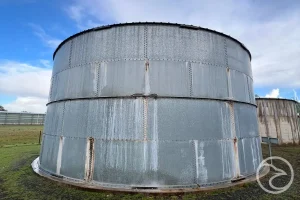
Ensuring safe and clean water storage is essential across industries, municipalities, agriculture, and fire protection infrastructure. Panel tank systems are widely used because of their flexibility, scalability, and durability. However, maintaining water quality requires careful attention to multiple technical, environmental, and operational factors.
Importance of Material Selection
The materials used in water storage tanks significantly affect water quality. Tank surfaces must resist corrosion, microbial growth, and chemical reactions that could contaminate stored water. Coatings, linings, and material finishes play an important role in preventing deterioration over time.
Certain modern tank systems, including Stainless Steel Panel Tanks, are often referenced in technical discussions due to their corrosion resistance and hygienic surface properties. However, regardless of material type, proper maintenance and monitoring remain essential.
Tank Design and Structural Considerations
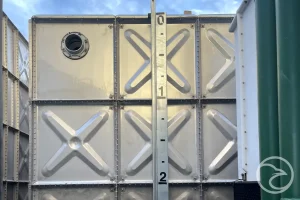
Tank design strongly influences how well water quality is preserved. Features such as smooth internal surfaces, sealed joints, proper roof protection, and controlled access points reduce the risk of contamination. Modular panel construction can also support easier inspection and maintenance compared with some traditional tank designs.
Ventilation systems and overflow controls must be carefully designed as well. Improper airflow or drainage can introduce contaminants or allow environmental exposure that degrades stored water.
Environmental Exposure Risks
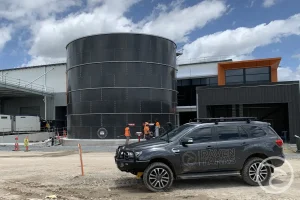
External environmental factors often affect water quality indirectly. Dust, airborne pollutants, salt exposure, and nearby industrial activity can all impact storage systems. Tanks located in coastal or urban industrial zones may require additional protective measures.
Temperature fluctuations also play a role. Excessive heat can encourage biological growth, while cold conditions may affect seals or coatings. Monitoring environmental exposure helps identify potential risks early.
Maintenance and Inspection Practices
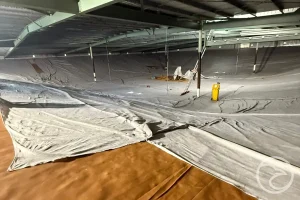
Regular inspection is one of the most effective ways to protect water quality. Preventive maintenance programs typically include:
- Internal condition assessments
- Checking seals, vents, and access points
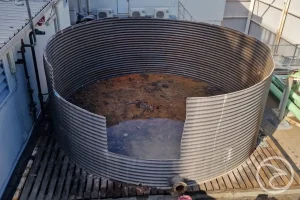
- Cleaning sediment buildup
- Monitoring coating integrity
Routine inspection helps identify minor issues before they develop into contamination risks or structural problems.

Operational Factors that Influence Water Quality
How a tank is used can significantly impact stored water quality. Frequent filling cycles, varying pressure levels, and fluctuating water demand may affect internal conditions. Maintaining consistent operating parameters helps reduce stress on tank materials and improves overall system reliability.
Water turnover is another important factor. Stagnant water increases the risk of biological growth, while proper circulation helps maintain freshness and safety.
Role of Hygiene Management
Water storage hygiene involves more than structural integrity. Proper access control, clean maintenance procedures, and compliance with relevant water safety standards all contribute to protecting stored water.
Documentation of inspections, cleaning schedules, and operational checks supports long-term water safety strategies and regulatory compliance.
Those interested in technical specifications may benefit from reviewing various engineered water storage system designs commonly applied in infrastructure projects.
Long-Term Water Quality Protection
Water quality protection in panel tanks depends on a combination of design quality, material selection, environmental management, and ongoing maintenance. No single factor guarantees safe storage. Instead, consistent monitoring and proactive system management help ensure reliable performance over time.
With proper planning and routine care, panel tank systems can support safe, efficient water storage across many industries for decades while maintaining the quality required for potable and operational use.