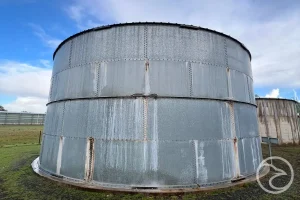
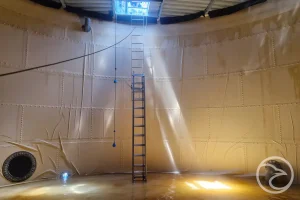
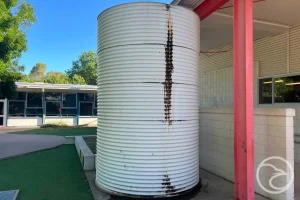
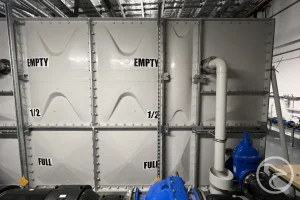
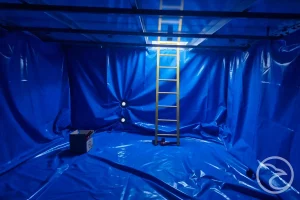
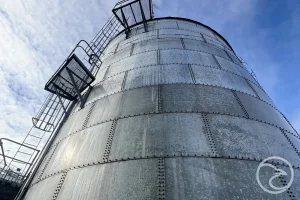
Water storage systems are a critical part of industrial operations, infrastructure, and fire protection across Australia. Their long-term reliability depends not only on design and capacity, but also on how well operational risks are understood and managed. Operational risks water storage systems face often develop gradually, making early awareness essential for maintaining performance and system stability.
Rather than focusing on specific materials or products, this article examines common operational and environmental risks that affect water storage systems in demanding Australian conditions.
Environmental Exposure and UV-Related Risks
Australian installations are frequently exposed to high levels of ultraviolet radiation and prolonged sunlight. Over time, UV exposure can contribute to surface degradation, material fatigue, and reduced protective performance if systems are not designed or managed appropriately for outdoor conditions.
Environmental exposure is one of the most persistent operational risks, particularly for installations located in open or remote areas with limited natural shading.
Temperature Limits and Thermal Stress
Water storage systems are typically designed to operate within defined temperature ranges. Exposure to elevated water temperatures or rapid thermal fluctuations can place stress on structural components, seals, and joints.
In industrial or process-related environments, thermal stress can accumulate over time, increasing the likelihood of deformation, loss of alignment, or reduced system stability if operating conditions are not carefully monitored.
Joint Integrity and Assembly-Related Risks
Many large-scale water storage systems rely on modular or panel-based construction. In these systems, long-term reliability is closely linked to joint performance and assembly accuracy.
Operational risks may arise when:
- base preparation is uneven
- joint alignment shifts over time
- seals or fasteners experience gradual loosening
These issues are typically associated with installation quality and ongoing site conditions rather than inherent system design.
Mechanical Impact and Site Activity
In active industrial or infrastructure environments, water storage systems may be exposed to accidental mechanical impacts. Heavy equipment, vehicle movement, or dropped tools can introduce localized damage that affects surface integrity or structural performance.
Operational planning often includes controlled access zones and handling procedures to reduce the likelihood of impact-related issues, particularly in high-traffic areas.

Environmental and Location-Specific Challenges
Site location plays a significant role in determining which operational risks are most likely to affect a system. Coastal environments introduce salt exposure and humidity, while inland regions may experience extreme heat and temperature variation. Mining and rural sites often combine mechanical activity with environmental stressors.
Understanding how operational risks water storage systems face vary by location allows facilities to plan monitoring and mitigation strategies more effectively.
Importance of Monitoring and Risk Awareness
Many operational risks develop slowly and may not present immediate signs of failure. Regular observation, documentation of changes, and awareness of site-specific conditions support early identification of emerging issues.
By addressing operational risks proactively, facilities can reduce unplanned downtime, protect surrounding infrastructure, and extend overall system service life.
Summary
Water storage performance is shaped by more than capacity and design alone. Environmental exposure, temperature conditions, mechanical activity, and installation accuracy all contribute to long-term reliability.
Understanding common operational risks in water storage systems helps facilities manage performance expectations, plan appropriate monitoring, and reduce the likelihood of unexpected system issues across Australia’s diverse operating environments.