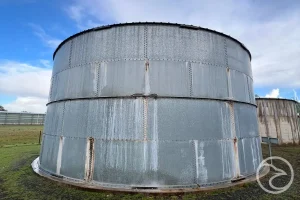
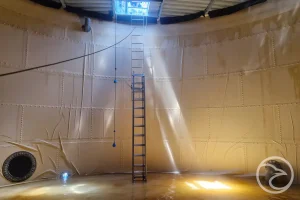
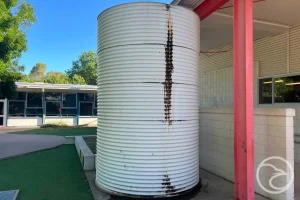
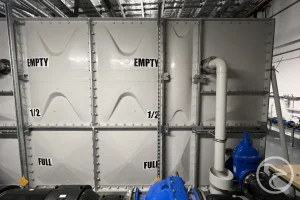
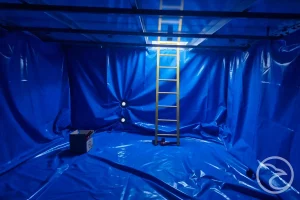
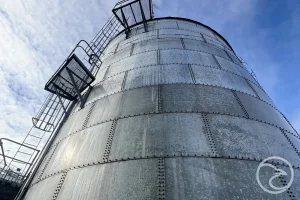
Reliable water containment is a critical component of fire protection infrastructure. During emergencies, consistent access to stored water supports firefighting effectiveness and overall site safety. Understanding containment materials for fire storage helps organisations select infrastructure that maintains stable performance under environmental and operational stress.
Different containment materials are used in fire water storage systems, each offering distinct performance characteristics depending on environmental conditions, structural requirements, and long-term reliability goals.
The Role of Containment Materials in Fire Water Storage
Containment materials serve as the internal barrier between stored water and tank structures. Their primary function is to maintain water integrity while protecting tank surfaces from continuous moisture exposure. Effective materials support dependable storage conditions without compromising structural stability.
Material performance becomes particularly important in fire storage because emergency readiness depends on consistent containment reliability.
Environmental Exposure and Material Performance
Fire water storage infrastructure often operates outdoors, where environmental exposure influences material durability. Temperature variation, UV radiation, humidity, and airborne contaminants gradually affect containment surfaces.
Materials designed for fire storage must balance flexibility, strength, and resistance to environmental stress. Stable containment performance helps ensure that emergency water supplies remain accessible when required.
Flexibility and Structural Adaptation
Storage tanks experience minor structural movement due to thermal expansion, operational conditions, or ground settlement. Flexible containment materials can adapt to these changes while maintaining a continuous internal barrier.
This adaptability supports long-term performance without introducing additional structural stress.
Moisture Resistance and Surface Stability
Continuous water contact is a defining characteristic of fire storage systems. Containment materials must resist prolonged moisture exposure while maintaining structural stability. Smooth internal surfaces can also support predictable containment conditions by reducing interaction between stored water and tank materials.
These characteristics contribute to consistent system performance.

Long-Term Infrastructure Reliability
Infrastructure planning increasingly focuses on lifecycle performance rather than short-term solutions. Containment materials that maintain stability over time help support reliable fire protection readiness. Durability, environmental resistance, and adaptability all influence long-term containment effectiveness.
Reliable materials reduce the likelihood of unexpected performance issues and support operational continuity.
Evolving Requirements in Fire Storage Infrastructure
Modern fire protection infrastructure continues to adapt to changing environmental conditions, regulatory expectations, and operational demands. Advances in containment materials reflect this evolution, focusing on improved durability, flexibility, and environmental resilience.
Understanding how different containment materials perform helps organisations plan infrastructure that supports both current and future safety requirements.
Some facilities rely on dedicated fire water containment liners to support long-term storage reliability.
Supporting Fire Safety Preparedness
Containment materials play an essential role in maintaining stable fire water storage conditions. Reliable infrastructure supports emergency readiness, operational confidence, and long-term safety outcomes. Informational awareness of material performance allows better planning and more resilient fire protection systems.
As infrastructure demands continue to grow, informed material selection remains an important part of maintaining dependable fire storage systems.