Steel is one of the most widely used construction materials in the world. It offers strength, durability, and versatility across many industries. However, steel has one major weakness. When exposed to moisture and oxygen, it can corrode over time.
Corrosion is a costly problem for infrastructure, industrial facilities, water storage systems, and construction projects. Without proper protection, steel structures can deteriorate, require frequent maintenance, and eventually need replacement.
One of the most effective ways to protect steel from corrosion is hot dip galvanising. This process has been used for decades to extend the lifespan of steel products and reduce long-term maintenance costs.
This guide explains what hot dip galvanising is, how it works, and why it remains one of the most trusted corrosion protection methods available today.
What is Hot Dip Galvanising?
Hot dip galvanising is a process that applies a protective zinc coating to steel or iron components. The process involves immersing cleaned steel into a bath of molten zinc. During this stage, the zinc reacts with the steel surface and forms a series of bonded alloy layers.
Unlike paint or surface treatments, the zinc coating becomes metallurgically bonded to the steel. This creates a highly durable protective layer that can withstand harsh environmental conditions.
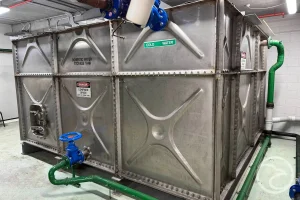
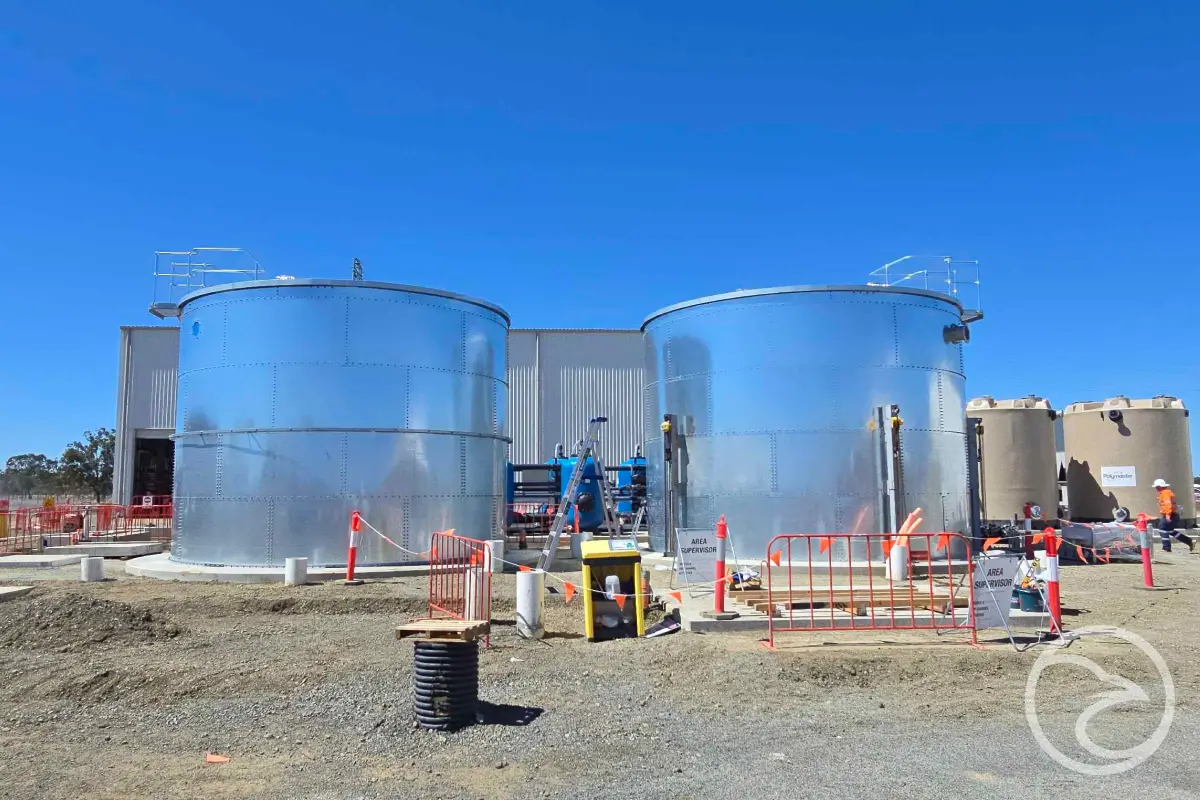
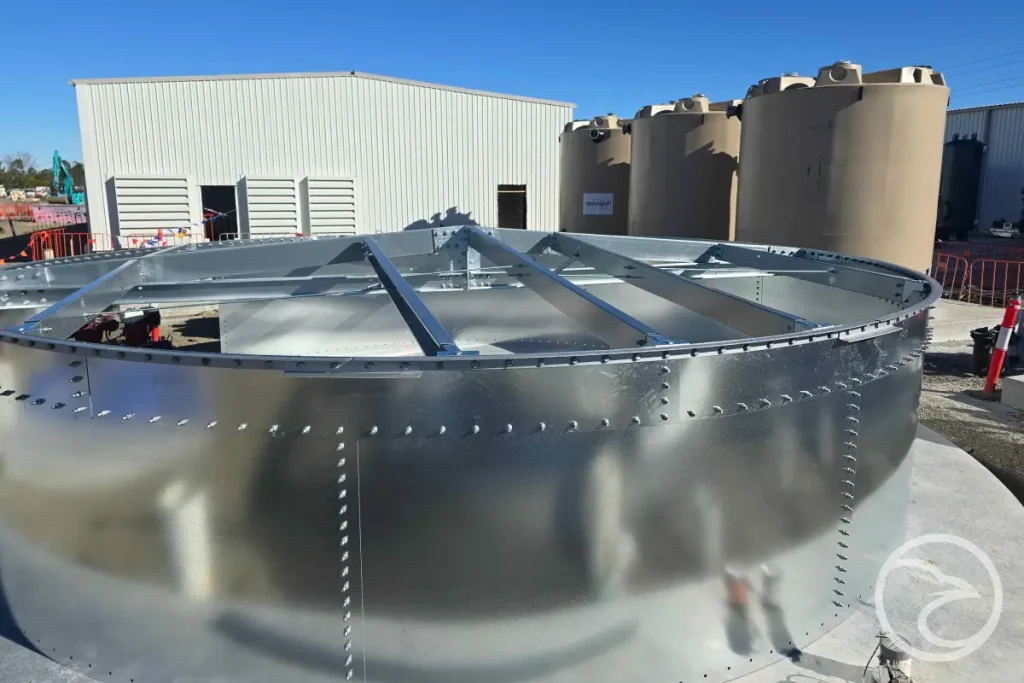
The finished coating helps protect steel from rust and corrosion for many years. As a result, Hot Dipped Galvanised Tanks have become a popular choice for projects that require durable and cost-effective water storage solutions.
Why Steel Corrodes
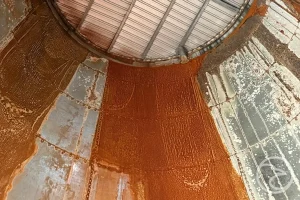
To understand the value of galvanising, it is important to understand how corrosion occurs. Steel contains iron. When iron is exposed to moisture and oxygen, a chemical reaction takes place. This reaction forms iron oxide, commonly known as rust.
Over time, rust weakens the steel surface and can spread deeper into the structure.
Several factors can accelerate corrosion:
- High humidity
- Rain exposure
- Coastal environments
- Industrial pollutants
- Chemical exposure
- Standing water
Without protection, steel structures may experience significant deterioration throughout their service life.
How the Hot Dip Galvanising Process Works
Hot dip galvanising follows a carefully controlled process. Each stage is designed to ensure strong adhesion between the zinc and steel.
Surface Cleaning
Before galvanising, the steel must be thoroughly cleaned.
This removes:
- Dirt
- Oil
- Grease
- Rust
- Mill scale
Any contamination can affect the quality of the final coating.
Pickling
The steel is treated with an acid solution. This step removes remaining oxides and prepares the surface for galvanising.
Fluxing
After pickling, the steel is coated with a flux solution. Fluxing prevents oxidation before the steel enters the molten zinc bath.
It also improves the bonding process.
Zinc Immersion
The prepared steel is immersed in molten zinc. The zinc bath is typically maintained at temperatures above 440°C.
During immersion, the zinc reacts with the steel surface and forms multiple alloy layers. These layers provide exceptional corrosion protection.
Cooling and Inspection
After galvanising, the steel is cooled and inspected.
The coating is checked for:
- Thickness
- Coverage
- Uniformity
- Surface quality
This ensures the product meets required standards and specifications.
How Zinc Protects Steel
The effectiveness of galvanising comes from the unique properties of zinc. The coating protects steel in two important ways.
Barrier Protection
The zinc coating acts as a physical barrier. It prevents moisture and oxygen from reaching the steel surface.
Without contact with these elements, corrosion develops much more slowly.
Sacrificial Protection
Zinc is more reactive than steel. If the coating becomes scratched or damaged, the surrounding zinc continues protecting the exposed steel.
This process is known as cathodic or sacrificial protection. It is one of the major advantages of galvanised steel.
Benefits of Hot Dip Galvanising
Hot dip galvanising offers several important advantages compared with other corrosion protection methods.
Long Service Life
Galvanised steel can remain protected for decades. The lifespan depends on environmental conditions and coating thickness.
Many structures continue performing effectively with minimal maintenance for extended periods.
Low Maintenance Requirements
Galvanised coatings require little ongoing maintenance. Unlike painted systems, they generally do not need frequent recoating.
This reduces operational costs over time.
Durable Coating
The zinc coating is tightly bonded to the steel surface. This makes it resistant to handling damage during transportation and installation.
Complete Coverage
The galvanising process coats both internal and external surfaces. Complex shapes, corners, and edges receive protection that can be difficult to achieve with other methods.
Cost Efficiency
Although galvanising involves an initial investment, it often reduces lifetime ownership costs. Lower maintenance and replacement expenses contribute to long-term savings.
Common Applications of Galvanised Steel
Hot dip galvanising is used across many industries. Its versatility makes it suitable for a wide range of projects.
Construction
Galvanised steel is commonly used in:
- Structural steel
- Building frames
- Roof supports
- Staircases
- Handrails
Infrastructure
Many infrastructure projects rely on galvanised components.
Examples include:
- Bridges
- Utility poles
- Lighting structures
- Road barriers
Agriculture
Agricultural environments can be highly corrosive.
Galvanised steel is often used for:
- Storage facilities
- Fencing
- Water systems
- Livestock infrastructure
Water Storage
Water storage applications require durable corrosion protection. Hot dip galvanising is widely used in steel tanks and water management systems.
Industrial Facilities
Manufacturing and processing facilities often use galvanised steel for long-term durability. It performs well in challenging operating environments.
Hot Dip Galvanising vs Painting
Many people compare galvanising with traditional paint systems. Both methods provide corrosion protection, but they work differently. Paint creates a protective barrier on the steel surface.
If the paint layer is damaged, corrosion can begin at the exposed area. Galvanising provides both barrier protection and sacrificial protection. This additional defence helps protect steel even when minor damage occurs.
Galvanised coatings also tend to require less maintenance throughout their service life. The best solution depends on the specific project requirements and operating environment.
Factors that Affect Galvanised Steel Performance
Several factors influence the lifespan of galvanised steel.
These include:
- Environmental conditions
- Humidity levels
- Exposure to salt
- Air pollution
- Chemical exposure
- Coating thickness
Understanding these factors helps engineers and asset owners make informed decisions about corrosion protection.
Can Galvanised Steel Rust?
Galvanised steel is highly resistant to corrosion, but no material is completely immune. Over many years, the zinc coating gradually wears away.
The rate of wear depends on the surrounding environment. In most applications, galvanised steel provides reliable protection long before significant corrosion becomes a concern.
Regular inspections can help identify any areas that may require attention.
Why Hot Dip Galvanising Remains Popular
Despite the availability of newer coating technologies, hot dip galvanising remains one of the most trusted corrosion protection solutions.
Its popularity comes from a combination of factors:
- Proven performance
- Long service life
- Low maintenance requirements
- Strong durability
- Cost effectiveness
- Reliable protection
These benefits make galvanising suitable for projects ranging from small steel components to large infrastructure assets.
Conclusion
Corrosion is one of the biggest threats to steel structures and equipment. Without proper protection, steel can deteriorate, leading to costly repairs and reduced service life.
Hot dip galvanising provides a proven solution to this challenge. By coating steel with a durable layer of zinc, the process delivers both barrier and sacrificial protection against corrosion.
The result is a long-lasting, low-maintenance system that continues to protect steel in a wide range of environments.
Whether used in construction, infrastructure, agriculture, industry, or water storage applications, hot dip galvanising remains one of the most effective methods for extending the life of steel assets.