Water storage tanks are used across a wide range of applications, from fire protection and potable water storage to industrial and commercial facilities. When selecting a tank, one of the most important decisions involves choosing the right material.
Both materials offer unique advantages, but their long-term performance can vary depending on environmental conditions, water quality, and operational requirements.
Understanding the differences between HDG tanks vs stainless steel tanks can help determine the most suitable solution for a specific application.
What are HDG Tanks?
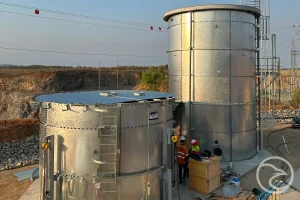
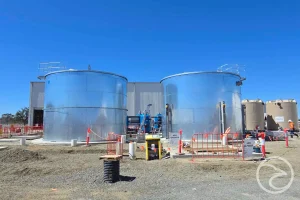
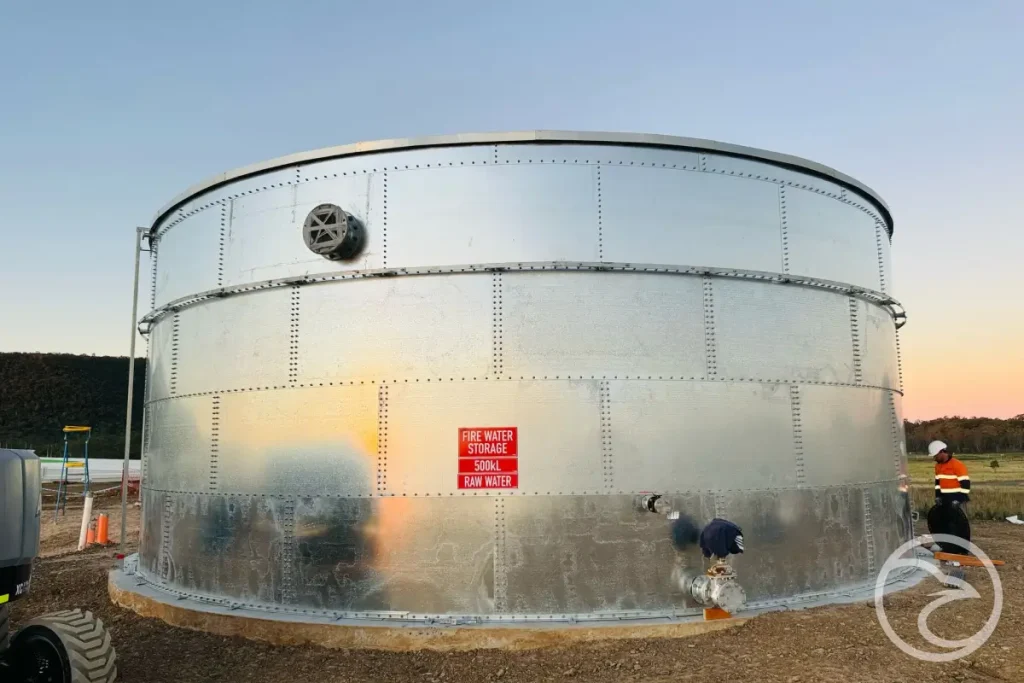
Hot dipped galvanised tanks are manufactured using steel panels that have been coated with a protective layer of zinc through a hot-dip galvanising process.
The zinc coating helps protect the underlying steel from corrosion and extends the tank’s service life. HDG tanks are widely used for water storage because they offer a balance between strength, durability, and affordability.
These tanks are commonly installed for:
- Fire water storage
- Irrigation systems
- Industrial water storage
- Commercial water supply
- Municipal infrastructure
Their popularity is often linked to their cost-effectiveness and ability to perform well in a variety of environments.
What are Stainless Steel Tanks?
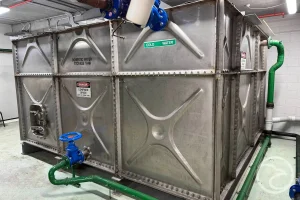
Stainless steel sectional tanks are constructed using corrosion-resistant stainless steel panels that are assembled on-site to create the required storage capacity.
Unlike galvanised steel, stainless steel contains chromium, which forms a protective oxide layer on the surface of the material. This layer helps prevent rust and corrosion without requiring an additional coating.
Stainless steel tanks are frequently selected for:
- Potable water storage
- Food processing facilities
- Pharmaceutical applications
- Hospitals
- High-specification commercial projects
They are particularly valued in environments where water quality and long-term corrosion resistance are priorities.
Corrosion Resistance: which Material Performs Better?
Corrosion resistance is often one of the first factors considered when comparing tank materials.
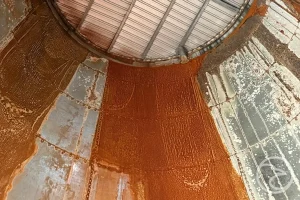
HDG tanks rely on their zinc coating for protection. While this coating is highly effective, it can gradually wear over time. Environmental conditions, water chemistry, and maintenance practices all influence how quickly deterioration occurs.
Stainless steel offers a different approach. Its corrosion resistance is built into the material itself rather than relying on an external protective layer.
In many environments, stainless steel provides superior resistance to:
- Rust formation
- Moisture exposure
- Chemical reactions
- Harsh weather conditions
This can make stainless steel particularly attractive for long-term installations where corrosion is a significant concern.
However, this does not mean HDG tanks perform poorly. In suitable operating conditions, galvanised tanks can provide many years of reliable service.
Comparing Durability and Expected Lifespan
Both HDG and stainless steel tanks are designed for long-term use, but their expected lifespan may differ depending on operating conditions.
HDG tanks are known for their structural strength and ability to withstand demanding applications. When properly maintained, they can deliver decades of reliable performance.
Their lifespan may be influenced by:
- Water quality
- Environmental exposure
- Maintenance frequency
- Condition of the zinc coating
Stainless steel tanks are also highly durable. Because corrosion protection is inherent to the material, they often maintain their appearance and performance for extended periods.
In environments where corrosion risks are elevated, stainless steel may offer a longer service life with fewer material-related concerns.
Ultimately, both materials are capable of providing long-term storage solutions when selected for the appropriate application.
Maintenance Requirements
Maintenance plays an important role in maximising tank performance and longevity.
HDG tanks generally require periodic inspections to assess the condition of the galvanised coating. Over time, certain areas may become more susceptible to wear, particularly in challenging environments.
Routine maintenance activities may include:
- Visual inspections
- Surface condition assessments
- Monitoring for corrosion
- Cleaning and sediment removal
Stainless steel tanks also benefit from regular inspections, but they typically require less attention to corrosion-related issues. Their smooth surface can also make cleaning easier in some applications, particularly where water quality is important.
The maintenance needs of each tank should be considered alongside the operational requirements of the facility.
Cost Considerations Beyond the Initial Purchase Price
Initial cost is often a major factor during the decision-making process. HDG tanks are generally more affordable than stainless steel alternatives. This lower upfront investment makes them attractive for many commercial and industrial projects.
However, the purchase price is only one part of the overall equation.
A complete assessment should also consider:
- Expected lifespan
- Maintenance requirements
- Inspection costs
- Potential repairs
- Lifecycle performance
Stainless steel tanks usually involve a higher initial investment. However, reduced corrosion concerns and lower long-term maintenance requirements may offset some of these costs over time.
The most cost-effective option often depends on the intended application and expected operating conditions.
Typical Applications for Each Tank Type
Both materials are used extensively throughout the water storage industry, but certain applications may favour one material over the other.
Common Applications for HDG Tanks
HDG tanks are frequently selected for:
- Fire protection systems
- Agricultural water storage
- Irrigation projects
- Industrial facilities
- Large-scale infrastructure projects
Their combination of strength and affordability makes them suitable for many general-purpose water storage applications.
Common Applications for Stainless Steel Tanks
Stainless steel tanks are often preferred for:
- Potable water storage
- Healthcare facilities
- Food production environments
- Pharmaceutical facilities
- Projects with strict water quality requirements
Their corrosion resistance and hygienic properties make them well suited to applications where water quality is a key consideration.
Which Tank is the Better Choice for Your Project?
There is no universal answer when comparing HDG tanks and stainless steel tanks. The right choice depends on several project-specific factors.
These may include:
- Budget requirements
- Water quality objectives
- Environmental conditions
- Maintenance capabilities
- Expected service life
- Regulatory requirements
HDG tanks often provide excellent value for projects that require robust and cost-effective water storage. Stainless steel tanks may be the preferred option when long-term corrosion resistance and water quality are the primary priorities.
Evaluating the operational demands of the site can help determine which material offers the best overall performance.
Conclusion
When comparing HDG tanks vs stainless steel tanks, there is no single solution that suits every project. Each material offers advantages depending on the application, budget, and operating environment.
HDG tanks are valued for their affordability and durability, while stainless steel tanks offer superior corrosion resistance and long-term performance.
By evaluating factors such as lifespan, maintenance requirements, and lifecycle costs, project owners can choose the most suitable water storage solution for their needs.