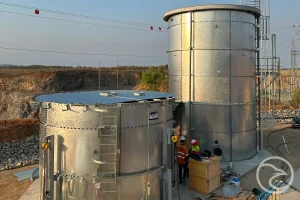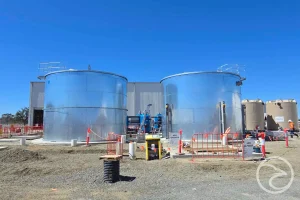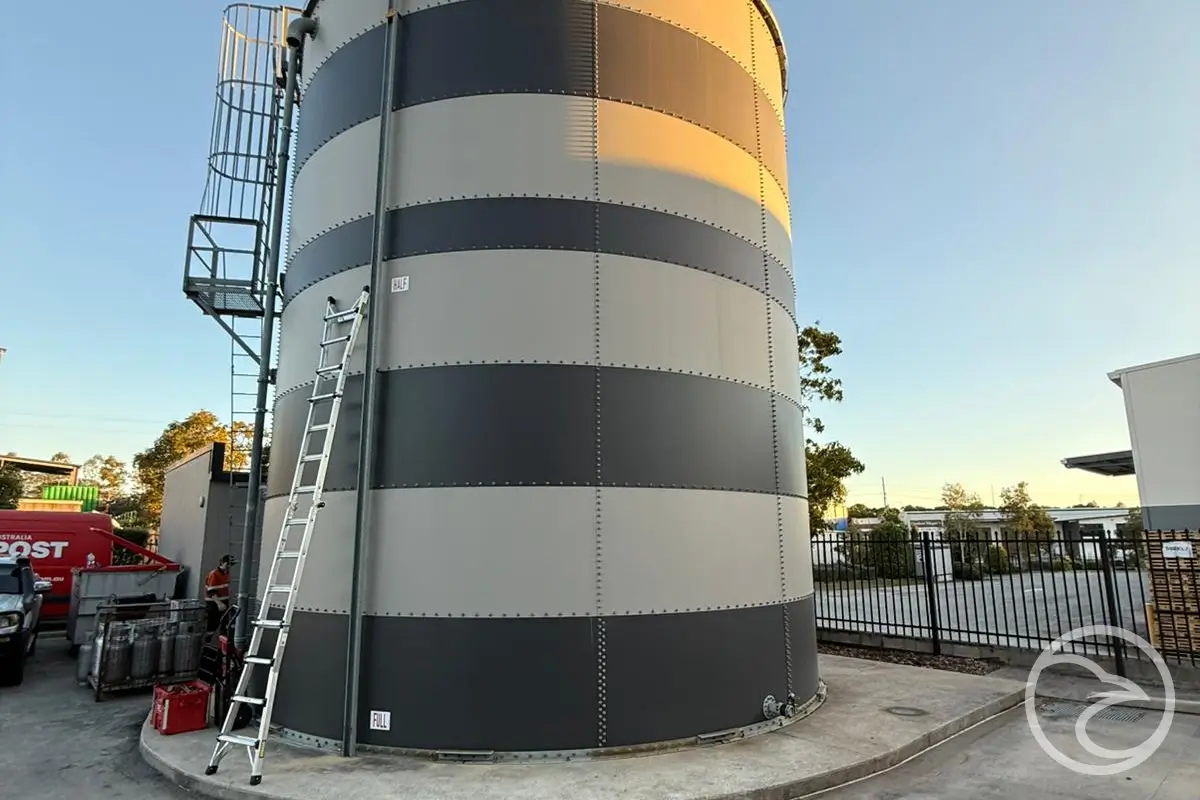
Fire water tanks play a critical role in fire protection systems. They store and supply water when an emergency occurs.
These systems ensure a reliable water source when mains supply is unavailable. They are widely used in commercial, industrial, and remote locations.
What is a Fire Water Tank?
A fire water tanks is a dedicated water storage system for firefighting. It holds a reserve supply that can be used during emergencies.
Unlike general water storage, these tanks are designed for immediate response. They must deliver water quickly and at the required pressure.
How Fire Water Tanks Store and Supply Water
Fire water tanks store large volumes of water for emergency use. The water remains unused until a fire system is activated.
Once triggered, water flows from the tank into the fire protection system. This process must happen without delay.
The system relies on gravity or pumps to move water efficiently. The design depends on tank position and system requirements.
Key Components of a Fire Water Tank System
Water Storage Tank
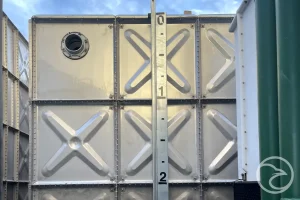
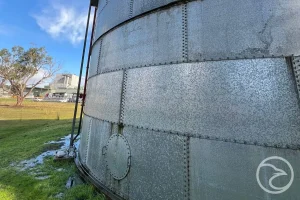
The tank holds the required water volume for firefighting. It must be sized based on system demand and regulations.
Pumps and Pressure Systems
Pumps ensure water flows at the correct pressure. They activate automatically when the system detects a fire.
Pipework and Distribution
Pipes deliver water from the tank to fire systems. These include sprinklers, hydrants, or hose reels.
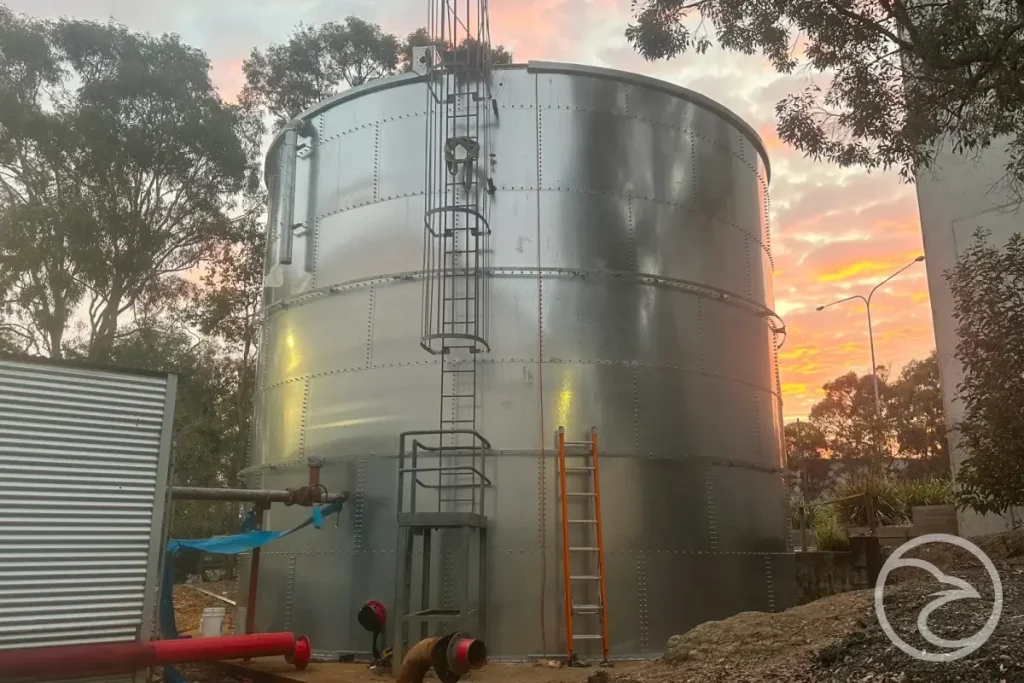
How Fire Water Tanks Connect to Fire Protection Systems
Fire water tanks are integrated with different fire protection systems. These include sprinklers, hydrants, and suppression systems.
Each system requires a stable and reliable water supply. The tank ensures continuous flow during operation.
To compare systems, see fire water tanks vs sprinkler systems.
What Happens During a Fire Emergency
When a fire is detected, the system activates automatically. Water is drawn from the tank and directed to affected areas.
Pumps increase pressure to meet system requirements. Water is then discharged through sprinklers or hydrants.
This rapid response helps control and contain the fire. A reliable tank system is essential for this process.
Factors that Affect System Performance
Several factors influence how well the system works. These include tank capacity, pressure, and system design.
Incorrect sizing can limit water availability during emergencies. Poor design may reduce efficiency or response time.
Learn more about sizing in how to calculate fire water tank capacity.
Why Proper Design Matters
Proper design ensures the system works when needed most. It helps maintain consistent pressure and water flow.
Design must follow relevant standards such as AS 1851.
It also ensures compatibility with other fire protection components.
Final Thoughts
Fire water tanks are essential for effective fire protection systems. They provide a reliable and immediate water source during emergencies.
Understanding how these systems work helps improve safety and compliance. It also supports better planning and system design.