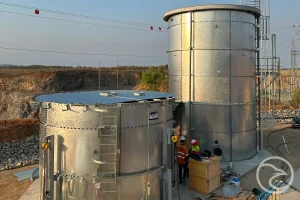
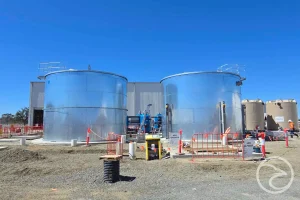
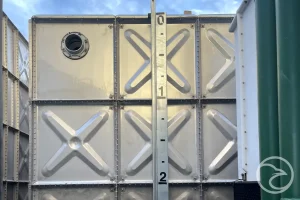
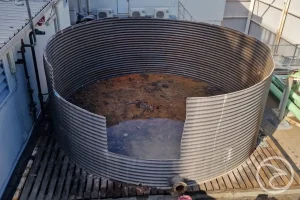
Steel storage tanks play a critical role in water supply, industrial processing, agriculture, and fire protection systems. Their long service life often makes them a preferred solution, but durability is not automatic. A range of technical and environmental conditions — commonly described as the factors affecting steel tank durability — influence how well a tank performs over time.
Understanding these factors helps engineers, facility managers, and property owners maintain reliable and safe liquid storage systems.
Material Quality and Composition
The type and grade of steel used directly affect tank lifespan. High-quality alloys with corrosion-resistant properties typically perform better in challenging environments. Stainless steel, galvanized steel, and coated carbon steel all offer different durability benefits depending on exposure conditions.
Manufacturing standards also matter. Consistent welding, precise panel fabrication, and proper structural design reduce weak points that could lead to premature wear or leaks.
Environmental Exposure
External conditions are one of the biggest influences on steel tank durability. Tanks installed in coastal areas, for example, face higher salt exposure, which accelerates corrosion. Industrial zones may expose tanks to chemicals or airborne pollutants that gradually degrade metal surfaces.
Temperature fluctuations can also impact structural integrity. Expansion and contraction cycles may stress joints, coatings, and seals over time. In colder climates, freeze-thaw cycles can affect both the tank and its foundation.
Corrosion Protection Systems
Protective measures significantly extend tank life. Common corrosion control methods include:
- Protective coatings and linings
- Cathodic protection systems
- Galvanization or passivation treatments
- Regular cleaning and inspection programs
Even highly resistant systems, such as Stainless Steel Tanks, benefit from routine monitoring because environmental conditions and operational demands vary widely.

Installation Quality
Proper installation is often underestimated but plays a major role in durability. Foundation stability, correct panel alignment, and sealing accuracy all influence long-term performance. Poor installation can create stress points, uneven weight distribution, or water ingress risks.
Qualified installation teams typically follow engineering guidelines that address soil conditions, load requirements, and drainage considerations. These measures reduce structural strain and improve operational longevity.
Operational Factors
How a tank is used also affects its lifespan. Frequent filling and emptying cycles, fluctuating pressure levels, and exposure to aggressive stored liquids can accelerate wear. Tanks storing potable water, chemicals, or wastewater each face different stress conditions.
Operational discipline — such as maintaining proper fill levels and avoiding overloading — helps minimize unnecessary structural stress.
Design and Engineering Considerations
Tank design itself contributes significantly to durability. Modular construction, reinforced panel connections, proper ventilation, and access for inspection all support long-term performance. Modern designs often incorporate sustainability considerations, improved corrosion resistance, and easier maintenance access.
Engineering decisions made during the planning phase frequently determine how resilient a tank will be decades later.
To better understand different storage options, you can explore various steel water storage system designs and how they are applied across industries.
Long-Term Durability Perspective
Steel tanks remain a widely trusted storage solution due to their strength, adaptability, and repairability. However, understanding the factors affecting steel tank durability is essential, as longevity depends on material quality, environmental conditions, installation standards, and ongoing maintenance. No single factor guarantees long-term performance — rather, durability results from the combined influence of all these elements over time.
A proactive approach that includes thoughtful design, proper installation, and consistent maintenance helps ensure steel tanks continue providing safe and efficient liquid storage for many years.