Steel storage tanks are widely used for water infrastructure, industrial operations, agriculture, and fire protection systems because of their durability and structural reliability. However, tank lifespan depends on multiple technical, environmental, and operational factors.
Understanding steel tank lifespan influencing factors helps engineers, facility managers, and infrastructure planners maintain reliable storage systems and extend long-term performance.
Material Quality and Protective Finishes
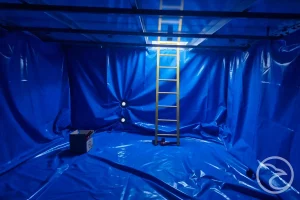
The type of steel used plays a significant role in tank longevity. Modern alloys, protective coatings, and advanced fabrication methods improve resistance to corrosion and environmental stress. Surface treatments such as galvanization, specialized linings, and passivation processes help protect internal and external surfaces.
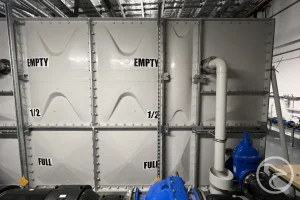
Some advanced storage systems, including Steel Panel Tanks, are often referenced in technical discussions due to their corrosion resistance and hygienic properties. Nevertheless, material selection alone does not determine lifespan — design, installation, and maintenance also matter.
Environmental Exposure Conditions
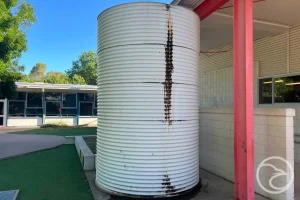
Environmental factors strongly influence tank durability. Coastal regions, industrial zones, and humid climates may accelerate corrosion due to salt exposure, airborne pollutants, or chemical contaminants. Temperature fluctuations can also stress structural materials, seals, and coatings over time.
Proper environmental assessment during planning helps identify protective measures needed to support long-term tank performance.
Engineering Design and Structural Integrity
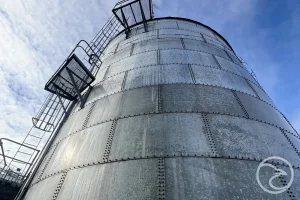
Tank design directly affects lifespan. Proper structural calculations, reinforced panel connections, stable foundations, and well-designed access points help reduce long-term stress. Ventilation systems, drainage solutions, and protective roofing also support durability by minimizing environmental exposure.
Modular tank designs can facilitate easier maintenance and inspection, which contributes to longer service life.
Installation Quality
Correct installation is essential for maintaining structural integrity. Foundation preparation, panel alignment, sealing accuracy, and drainage planning all influence long-term performance. Poor installation can create stress points that accelerate wear and corrosion.
Professional installation practices ensure safety standards and engineering guidelines are followed.
Maintenance and Inspection Practices
Routine maintenance significantly extends tank lifespan. Preventive inspection programs typically include:
- Monitoring protective coatings
- Checking structural stability
- Cleaning sediment buildup
- Identifying early corrosion signs
Early detection allows minor issues to be addressed before they become costly structural problems.

Operational Usage Factors
Tank operation also affects longevity. Frequent fill cycles, fluctuating pressure levels, stored liquid characteristics, and environmental exposure conditions influence internal tank conditions. Maintaining stable operational parameters helps preserve structural integrity and reduce wear.
Documentation of inspections and maintenance activities supports long-term infrastructure planning.
Technological Advancements Supporting Longevity
Advances in materials science, coating technologies, and digital monitoring systems continue to improve steel tank lifespan. Predictive maintenance technologies help identify potential issues early, reducing downtime and repair costs.
These innovations reflect a broader trend toward more resilient and sustainable infrastructure systems.
For a broader technical perspective, it can be helpful to explore modern engineered water storage system solutions used across various infrastructure projects.
Long-Term Lifespan Perspective
Steel tank lifespan influencing factors include material quality, environmental conditions, engineering design, installation standards, maintenance practices, and operational management. No single factor determines durability; rather, longevity results from the combined effect of these elements over time.
With proper design, installation, and maintenance, steel storage tanks can provide reliable liquid storage for decades while maintaining safety, efficiency, and structural integrity.