Modular steel tank systems have become an important component of modern water and liquid storage infrastructure. Their engineered design allows flexibility, durability, and efficient installation across a wide range of applications.
Understanding the engineering features of modular steel tank systems helps infrastructure planners, engineers, and facility managers make informed decisions about reliable long-term storage solutions.
Structural Design and Modular Construction
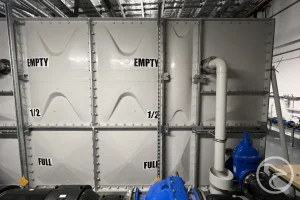
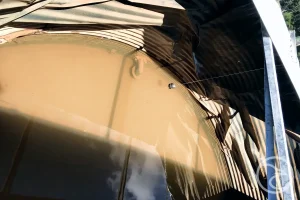
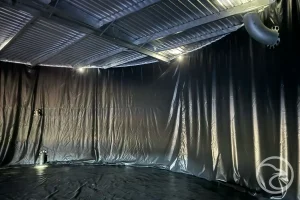
One of the defining engineering features of modular steel tanks is their panel-based construction. Tanks are assembled from prefabricated panels that are designed for structural stability and ease of installation. This modular approach allows tanks to be customized in size and configuration while maintaining consistent structural performance.
Such design flexibility supports infrastructure projects where site conditions, access limitations, or future expansion requirements must be considered during planning.
Material Selection and Surface Performance
Material choice plays a key role in tank performance. Modern steel alloys are engineered to balance strength, durability, and resistance to environmental stress. Protective coatings, corrosion-resistant treatments, and hygienic surface finishes help maintain structural integrity over time.
Some advanced storage solutions, including Steel Panel Tanks, are often discussed in engineering contexts due to their corrosion resistance and surface hygiene characteristics. However, overall system performance depends on a combination of design, installation, and maintenance factors.
Foundation and Installation Engineering
Proper installation is essential for long-term tank stability. Engineering considerations include foundation preparation, load distribution, drainage planning, and environmental exposure management. Stable foundations reduce structural stress and help prevent premature wear.
Modular tanks can often be assembled in locations where traditional welded tanks may be difficult to install, making them suitable for complex infrastructure projects.
Corrosion Protection Strategies
Corrosion protection remains a critical engineering consideration. Protective coatings, galvanization processes, and advanced lining technologies help extend tank lifespan. Environmental factors such as humidity, chemical exposure, and temperature fluctuations must be considered during design.
Regular inspection and maintenance ensure protective systems remain effective over time.

Adaptability and Expansion Capability
Modular tank systems are engineered with adaptability in mind. Panels can often be added or replaced, allowing storage capacity adjustments without complete system replacement. This flexibility supports infrastructure growth and evolving operational needs.
Adaptability also helps address changing regulatory requirements or environmental conditions.
Inspection Accessibility and Maintenance Design
Engineering design increasingly prioritizes accessibility for inspection and maintenance. Features such as access hatches, internal walkways, and ventilation systems allow easier monitoring of tank condition. Improved accessibility reduces downtime during inspections and repairs.
Preventive maintenance programs help identify early signs of wear, corrosion, or structural stress, supporting long-term reliability.
Technological Advancements in Tank Engineering
Modern engineering tools, including digital modeling, predictive maintenance systems, and advanced monitoring technologies, are improving tank performance. Sensors can monitor structural stress, environmental conditions, and operational parameters in real time.
These technological advancements support safer operation and more efficient maintenance planning.
Long-Term Engineering Perspective
Engineering features of modular steel tank systems reflect a balance between durability, flexibility, safety, and efficiency. Material selection, structural design, installation quality, corrosion protection, and ongoing maintenance all contribute to system performance.
When properly engineered and maintained, modular steel tanks can provide reliable liquid storage for decades while adapting to evolving infrastructure and operational requirements.
A wider understanding can be gained by examining different steel water storage system approaches commonly applied in industrial and municipal settings.