Modern liquid storage infrastructure increasingly relies on adaptable solutions that can respond to changing operational requirements. Modular steel tank systems are widely recognized for their flexibility, allowing storage capacity, configuration, and performance features to be adjusted over time.
Understanding modular steel tank system flexibility helps infrastructure planners, engineers, and facility managers design storage solutions that remain effective in evolving environments.
What Makes Modular Tank Systems Flexible
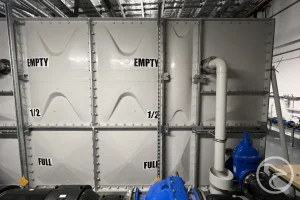
Modular construction is one of the primary reasons these tank systems are considered highly adaptable. Instead of a single rigid structure, modular tanks are assembled from individual panels or components. This allows adjustments in size, height, or configuration without requiring a completely new tank installation.
Such flexibility is valuable in industries where storage demand fluctuates or future expansion is anticipated. Infrastructure projects often benefit from solutions that can grow alongside operational needs.
Material Performance and Structural Adaptability
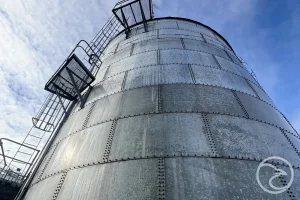
Steel offers a balance of strength, durability, and design versatility. Its structural properties allow tanks to maintain stability while accommodating various configurations. Protective finishes, corrosion-resistant treatments, and modern fabrication methods further support long-term performance.
Certain systems, including Steel Panel Tanks, are frequently referenced in technical discussions due to their durability and hygienic characteristics. However, regardless of specific material choices, adaptability depends on thoughtful engineering, installation quality, and maintenance practices.
Installation and Expansion Considerations
Flexibility is not limited to design alone — installation plays a crucial role. Modular tanks can often be assembled in locations where traditional welded tanks would be difficult to install. Restricted access sites, urban infrastructure projects, or remote industrial locations benefit from transportable modular components.
Expansion is also more manageable. Additional panels or structural elements can sometimes be integrated without extensive reconstruction, reducing downtime and cost.

Maintenance Advantages
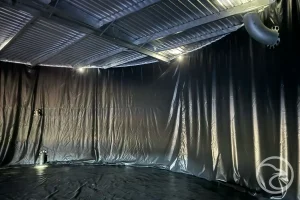
Maintenance requirements influence how adaptable a tank system remains over time. Modular designs typically allow easier inspection access and localized repairs. Instead of replacing an entire structure, operators may address specific panels or components.
This approach can extend service life while minimizing operational disruptions. Regular inspection programs remain essential to identify wear, corrosion, or structural stress early.
Environmental and Operational Factors
Environmental exposure often requires adaptable storage solutions. Tanks operating in coastal, industrial, or extreme climate environments may need additional protective measures. Modular configurations allow upgrades such as improved coatings, enhanced ventilation, or structural reinforcement.
Operational flexibility is equally important. Changes in stored liquid type, demand levels, or regulatory requirements can necessitate design adjustments. Modular systems are often better suited to accommodate such changes compared with fixed monolithic tanks.
Technological Developments Supporting Flexibility
Advancements in engineering and monitoring technologies continue to enhance modular tank performance. Improved fabrication techniques, corrosion protection systems, and digital inspection tools support longer service life and greater adaptability.
Predictive maintenance technologies, for example, help operators anticipate structural issues before they become critical. This proactive approach contributes to both flexibility and reliability.
A wider understanding can be gained by looking at different steel water storage system approaches commonly used in industrial applications.
Long-Term Perspective on Adaptable Storage
Modular steel tank system flexibility results from a combination of design strategy, material selection, installation quality, and ongoing maintenance. No single feature determines adaptability. Instead, flexibility emerges from how well engineering decisions align with operational needs over time.
With proper planning and consistent monitoring, modular steel tank systems can provide reliable, scalable liquid storage solutions capable of adapting to future infrastructure demands while maintaining safety and performance standards.