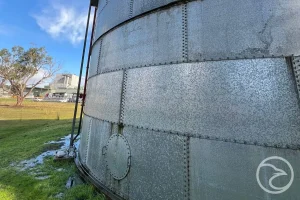
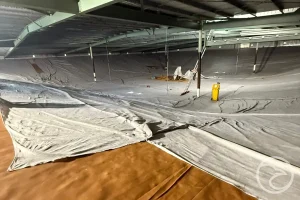
Flexible PVC membrane systems are increasingly used in modern water storage infrastructure because they provide adaptable, reliable internal water containment. These reinforced membranes form a protective barrier inside tanks, helping maintain stable storage conditions while supporting long-term structural durability.
Understanding how flexible PVC membrane water storage works helps explain why this material is widely considered a dependable containment solution.
What is a Flexible PVC Membrane?
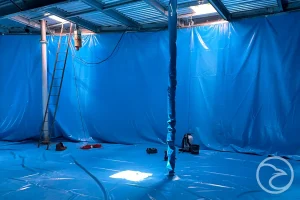
A flexible PVC membrane is a reinforced synthetic liner designed to create a watertight internal layer inside a storage tank. Unlike rigid coatings or structural tank materials, PVC membranes remain flexible and can accommodate minor structural movement, temperature variation, and operational stress.
This flexibility helps maintain consistent containment performance over time.
Reliable Internal Water Containment
One of the main advantages of flexible PVC membrane water storage is the ability to maintain a stable barrier between stored water and tank surfaces. This internal separation helps:
- Reduce direct moisture contact with structural materials
- Limit corrosion exposure
- Maintain consistent containment conditions
- Support overall tank reliability
Because the membrane conforms closely to internal tank surfaces, it helps preserve stable storage performance without altering the tank structure.
Durability Under Environmental Conditions
Water storage infrastructure is constantly exposed to environmental stress. UV radiation, temperature variation, humidity, and continuous water contact can influence material longevity. Reinforced PVC membranes are designed to withstand these conditions while maintaining flexibility and structural stability.
This resistance supports dependable long-term containment performance.
Water Quality Stability Considerations
Containment materials also influence internal storage conditions. Flexible PVC membranes create a smooth internal surface that helps minimise direct interaction between stored water and tank materials. This can contribute to more stable storage conditions over time.
While treatment processes remain essential, internal containment materials play a supporting role in storage reliability.

Structural Adaptability and Long-Term Performance
Infrastructure planning increasingly considers long-term performance and adaptability. Flexible PVC membrane systems support these goals by providing an internal containment layer that works with existing tank structures rather than replacing them.
This helps maintain operational continuity while supporting infrastructure longevity.
Some facilities incorporate internal PVC containment membranes to support infrastructure durability.
Supporting Reliable Water Storage Infrastructure
As environmental conditions change and infrastructure demands increase, adaptable containment solutions become increasingly important. Flexible PVC membrane water storage offers durability, flexibility, and consistent containment performance that supports long-term infrastructure reliability.
Understanding how these materials function helps organisations make informed decisions about water storage infrastructure planning and performance.