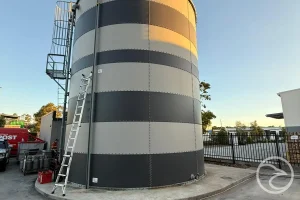
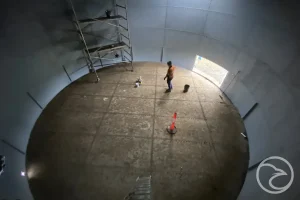
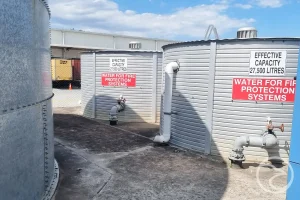
Ensuring safe water storage is a critical priority across industrial, municipal, agricultural, and fire protection applications. Tank design plays a major role in preserving water quality, maintaining structural integrity, and preventing contamination. Effective safe water storage tank design combines engineering precision, material selection, environmental awareness, and ongoing maintenance planning.
Understanding the principles behind safe storage helps facility operators and engineers create reliable systems that protect water quality over the long term.
Importance of Material Selection
Materials used in water storage tanks significantly influence safety outcomes. Surfaces must resist corrosion, microbial growth, and chemical interactions that could affect stored water. Protective coatings, corrosion-resistant alloys, and hygienic finishes are commonly used to reduce contamination risks.
Some modern solutions, including Stainless Steel Panel Tanks, are frequently discussed in technical contexts because of their corrosion resistance and hygienic surface characteristics. However, regardless of material type, proper design and maintenance remain essential for safe storage.
Structural Design Considerations
Tank structure directly affects water safety. Properly sealed joints, smooth internal surfaces, and well-designed access points help reduce contamination risks. Roof protection, ventilation systems, and overflow controls must also be carefully engineered.
Structural stability is equally important. Tanks must withstand environmental stress such as wind loads, temperature fluctuations, and foundation movement. Sound structural design supports both safety and longevity.
Environmental Protection Factors
External environmental exposure can affect stored water quality. Dust, airborne pollutants, salt exposure, and nearby industrial activity may introduce contaminants if tanks are not adequately protected.
Temperature management is another key factor. Excessive heat can promote biological growth, while cold conditions may stress materials or seals. Design strategies often include insulation, shading, or protective coatings to mitigate these risks.
Installation and Site Planning
Safe water storage begins with proper installation. Stable foundations, correct alignment, and effective drainage reduce structural stress and contamination risks. Site selection also plays a role — proximity to pollution sources or flood-prone areas should be carefully evaluated.
Installation practices influence long-term performance as much as design itself. Professional engineering oversight helps ensure safety standards are met.

Maintenance and Inspection Requirements
Even well-designed tanks require routine inspection and maintenance. Preventive measures help identify corrosion, coating degradation, or structural issues before they compromise water quality.
Typical maintenance activities include:
- Internal cleaning and sediment removal
- Seal and joint inspections
- Structural condition assessments
- Monitoring environmental exposure
Regular maintenance extends service life while maintaining safe storage conditions.
Operational Factors Affecting Safety
How a tank is used also influences water safety. Consistent water turnover, controlled fill levels, and appropriate monitoring reduce stagnation and contamination risks. Operational discipline supports design performance.
Documentation and compliance with relevant safety standards further strengthen reliability.
For a broader technical overview, it may help to explore modern engineered water storage system solutions used across different industries.
Long-Term Safety Perspective
Safe water storage tank design relies on an integrated approach. Material quality, structural engineering, environmental protection, installation practices, and maintenance routines all contribute to system performance. No single factor ensures safety; rather, it is the combination of these elements that determines long-term effectiveness.
With careful planning and ongoing monitoring, well-designed storage tanks can safely preserve water quality for decades while supporting evolving infrastructure and operational needs.