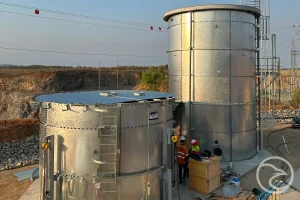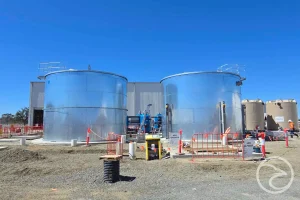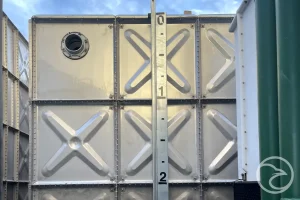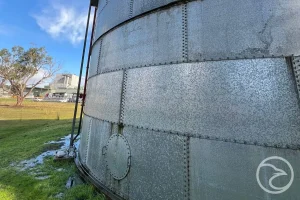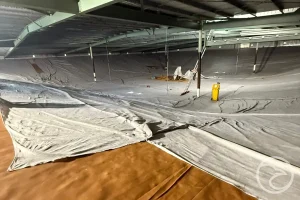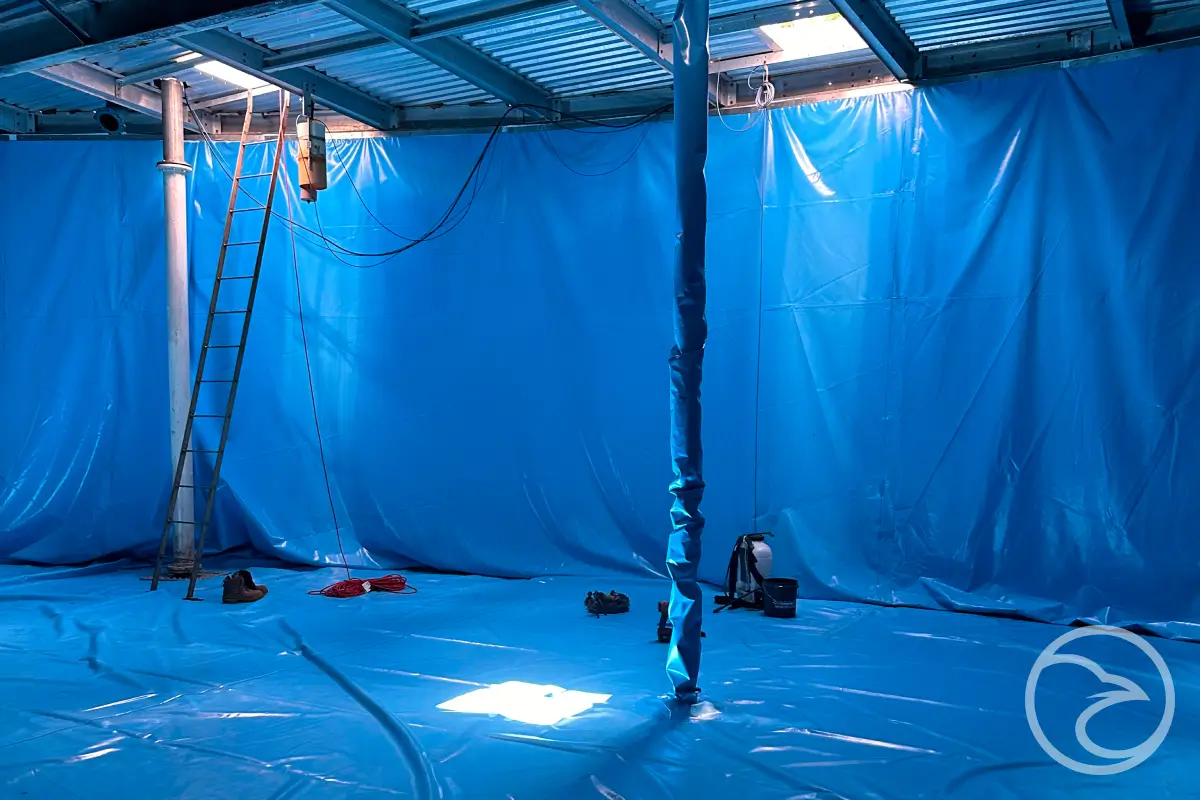
Fire water tanks are designed to provide a reliable water supply during an emergency. While the tank structure receives much of the attention, the internal liner also plays a critical role in protecting the system. A damaged or deteriorated liner can compromise the tank’s performance, increase maintenance costs, and reduce its service life.
A fire water tank lining inspection is a detailed assessment of the liner’s condition. It helps identify wear, damage, and other issues before they develop into more serious problems.
This guide explains what fire water tank liners are, why they are important, what causes liner damage, and how regular inspections help maintain reliable fire water storage systems.
What Is a Fire Water Tank Liner?
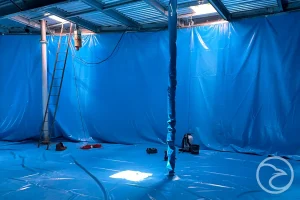
A fire water tank liner is a protective membrane installed inside a fire water tank. It creates a barrier between the stored water and the tank structure.
Not every fire water tank requires a liner. However, liners are commonly used in steel, concrete, and bolted panel tanks to improve durability and reduce the risk of corrosion or leakage.
The liner helps maintain the integrity of the storage system by preventing direct contact between water and the tank’s structural components. It also provides an additional waterproof layer that improves long-term performance.
Depending on the tank design, liners may be manufactured from flexible reinforced materials that are designed to withstand constant water pressure and changing environmental conditions.
Why are Fire Water Tank Liners Important?
Although the liner is hidden from view, it performs several important functions. Its primary purpose is to protect the tank while maintaining safe and reliable water storage.
Fire water tank liners help to:
- prevent corrosion of internal surfaces
- reduce the risk of water leakage
- protect concrete and steel structures
- extend the service life of the tank
- reduce long-term maintenance costs
- improve the reliability of fire water storage
- minimise deterioration caused by constant water exposure
Without a properly functioning liner, moisture can gradually damage the tank structure. Over time, this may lead to corrosion, leaks, structural deterioration, or costly repairs.
What Causes Fire Water Tank Liners to Deteriorate?
Like every component of a fire protection system, tank liners gradually age. Their condition is influenced by environmental conditions, operating stresses, and the overall condition of the tank.
Understanding the causes of deterioration helps property owners recognise why regular inspections are important.
Natural Ageing
All liner materials experience gradual ageing. Over time, they may become less flexible and more susceptible to cracking or wear.
Even if no obvious damage is visible, older liners should be inspected regularly to assess their condition.
Continuous Water Pressure
A fire water tank liner remains under constant pressure while the tank is full. Years of continuous loading can place stress on seams, anchor points, and connection details.
These areas often require close inspection.
Structural Movement
Tank movement can affect the liner. Minor settlement, foundation movement, or structural deformation may place additional stress on the liner material.
This can eventually result in stretching, wrinkling, or separation from the tank walls.
Poor Installation
Even high-quality liners can fail if they are not installed correctly.
Common installation issues include:
- loose sections
- excessive folds
- poor seam alignment
- inadequate anchoring
- uneven tension
Many of these problems may not become visible until years after installation.
Mechanical Damage
Maintenance activities or accidental contact with tools and equipment may damage the liner. Small punctures or tears can gradually increase in size if they are not identified early.
Environmental Conditions
Temperature changes, humidity, and other environmental factors can affect liner performance over time. Although liners are designed for demanding conditions, long-term exposure can contribute to gradual material deterioration.
Why are Fire Water Tank Lining Inspections Important?
A liner may appear to be functioning normally while hidden defects continue to develop beneath the surface. Routine inspections help identify these issues before they affect the performance of the fire water tank.
Regular liner inspections can:
- identify early signs of deterioration
- detect tears and punctures
- locate developing leaks
- assess seam condition
- support preventive maintenance
- reduce repair costs
- improve long-term asset management
- extend the service life of both the liner and the tank
Because liners protect the tank itself, maintaining their condition also helps protect the larger investment in the fire water storage system.
Fire water tank lining inspections should be completed alongside routine fire tank inspections to ensure the entire storage system remains in good condition.
What Does a Fire Water Tank Lining Inspection Include?
A professional inspection evaluates the liner as a complete system rather than focusing on a single area. Several components are assessed during the inspection.
Visual Condition Assessment
The inspection begins with a detailed visual examination. Inspectors assess the overall condition of the liner and look for visible signs of deterioration.
This includes checking for:
- discoloration
- surface wear
- deformation
- unusual stretching
- damaged areas
The overall appearance often provides valuable information about the liner’s condition.
Seams and Welds
The joints connecting sections of the liner are carefully inspected. These areas experience ongoing stress and may become weak over time.
Inspectors look for:
- seam separation
- loose joints
- incomplete bonding
- early signs of failure
Tears and Punctures
Even small tears can allow water to move behind the liner.
Inspectors carefully examine the liner surface for:
- punctures
- cuts
- abrasions
- impact damage
Minor defects are easier and less expensive to repair when identified early.
Wrinkles and Folds
Wrinkles are not always a structural problem. However, excessive folding can indicate movement, poor installation, or liner deformation.
Large folds may also trap debris and make future inspections more difficult.
Attachment Points
The liner must remain securely attached around the perimeter of the tank.
Inspectors assess:
- anchor systems
- fixing points
- edge connections
- corner details
Loose attachment points may allow the liner to shift during operation.
Tank Floor and Wall Interface
Special attention is given to areas where the liner meets the tank floor and walls. These locations often experience higher stress and are more susceptible to wear.
Inspectors check for lifting, separation, or signs of water migrating behind the liner.
Evidence of Water Leakage
One of the primary objectives of the inspection is identifying leakage.
Inspectors look for signs such as:
- unexplained water loss
- moisture behind the liner
- staining
- damp structural surfaces
- water movement around attachment points
These indicators may suggest hidden liner damage that requires further investigation.
Signs Your Fire Water Tank Liner Needs Attention
Liner damage does not always lead to immediate failure. In many cases, early warning signs appear long before the liner can no longer perform its function. Recognising these signs allows property owners to arrange an inspection before the damage becomes more extensive.
Common warning signs include:
- visible wrinkles or excessive folds
- tears or punctures
- loose liner edges
- separation from tank walls
- water trapped behind the liner
- unexplained water loss
- staining around liner connections
- corrosion near attachment points
- damaged seams
- unusual movement of the liner during operation
Even if these issues appear minor, they should not be ignored. Small defects can gradually increase in size under constant water pressure.
Signs it may be Time to Replace the Liner
Not every damaged liner needs to be replaced. In many cases, localised repairs are sufficient to restore its performance. However, some inspection findings indicate that replacement may be the more practical long-term solution.
Replacement may be recommended when the liner shows:
- widespread deterioration
- multiple tears across different areas
- extensive seam failure
- significant material ageing
- severe deformation
- loss of flexibility
- repeated repair history
- large areas of delamination
- persistent leaks despite previous repairs
- damage beyond the manufacturer’s repair recommendations
Replacing the liner at the appropriate time helps protect the tank structure and reduces the risk of more expensive repairs in the future.
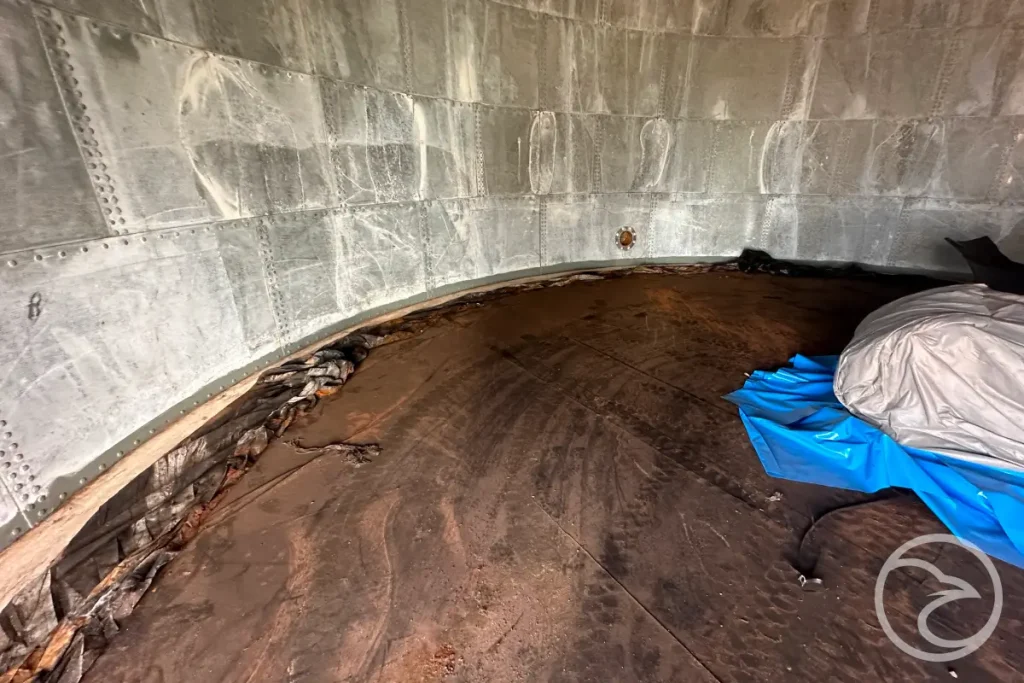
How is a Fire Water Tank Lining Inspection Performed?
A professional liner inspection follows a structured process to ensure all critical areas are assessed. Although the exact procedure depends on the tank design and inspection scope, most inspections follow similar steps.
Step 1: Review Previous Records
Inspectors begin by reviewing available documentation.
This may include:
- previous inspection reports
- maintenance records
- repair history
- installation details
- manufacturer recommendations
Understanding the liner’s history helps identify recurring issues and areas requiring closer attention.
Step 2: Prepare the Tank for Inspection
Before the inspection begins, safety procedures are completed and access arrangements are confirmed. Depending on the inspection method, the tank may need to be partially or fully isolated to allow safe access.
Step 3: Conduct a Detailed Visual Inspection
The liner is examined from top to bottom. Inspectors assess the overall condition and carefully examine seams, corners, attachment systems, floor connections, and other critical areas.
Photographs are usually taken throughout the inspection to document the condition.
Step 4: Assess Identified Defects
If damage is found, inspectors determine its location, extent, and likely cause. This helps distinguish between minor cosmetic issues and defects that may affect the liner’s performance.
Step 5: Document the Findings
Every observation is recorded in the inspection report.
The report normally includes:
- photographs
- condition summary
- identified defects
- recommended actions
- maintenance priorities
Step 6: Provide Recommendations
The final stage involves recommending the most appropriate course of action. Depending on the inspection results, recommendations may include continued monitoring, repairs, or complete liner replacement.
How Often Should Fire Water Tank Liners be Inspected?
There is no universal inspection interval for every fire water tank liner. The appropriate frequency depends on several factors, including the liner’s condition, the tank environment, and the maintenance program.
Inspection frequency may be influenced by:
- applicable Australian standards
- manufacturer recommendations
- liner age
- tank age
- environmental exposure
- previous inspection findings
- maintenance history
- operational risk
For example, liners installed in older tanks or exposed to harsh environmental conditions may benefit from more frequent condition assessments.
Routine inspections help establish a maintenance history and allow gradual deterioration to be monitored over time.
What Happens if a Liner Fails Inspection?
A failed inspection does not always mean the liner must be replaced immediately. Instead, the inspection findings are used to determine the most appropriate corrective action.
The process typically includes several steps.
The Findings are Documented
Inspectors prepare a detailed report describing the condition of the liner and any defects that were identified. Photographs and observations support the assessment.
The Severity is Evaluated
Not every defect presents the same level of risk. Inspectors assess whether the damage is minor, moderate, or significant.
This helps determine the urgency of any required work.
Repair or Replacement is Recommended
Small defects may be suitable for repair. More extensive deterioration may require partial or complete liner replacement.
The recommended solution depends on the overall condition of the liner rather than a single defect.
Maintenance is Scheduled
Once the inspection has been reviewed, maintenance activities can be planned according to the priority of the identified issues. Addressing problems early often reduces future repair costs.
Any defects identified during a liner inspection should be addressed through an appropriate fire tank maintenance program.
Follow-Up Inspection
If repairs or replacement are completed, a follow-up inspection may be recommended to confirm the liner is performing as intended.
To better understand the causes of liner deterioration, read our guide on how fire tank liners become damaged over time.
Benefits of Regular Fire Water Tank Lining Inspections
Routine liner inspections provide long-term benefits for both the tank and the overall fire protection system. Rather than waiting for visible failures, inspections allow issues to be identified while they are still manageable.
Key benefits include:
- protecting the tank structure
- extending liner service life
- reducing the risk of leaks
- identifying damage early
- lowering long-term repair costs
- supporting preventive maintenance
- improving asset management
- maintaining reliable fire water storage
- reducing unexpected downtime
- improving emergency readiness
Regular inspections also provide valuable documentation that supports future maintenance planning and helps monitor the condition of the liner throughout its service life.
Conclusion
Fire water tank liners play an essential role in protecting both stored water and the tank structure. Although they are hidden from view, their condition directly affects the reliability, durability, and long-term performance of the entire fire water storage system.
Regular fire water tank lining inspections help identify tears, seam failures, deformation, leaks, and other signs of deterioration before they become major problems. The information gathered during an inspection supports preventive maintenance, informed repair decisions, and effective asset management.
By incorporating routine liner inspections into a broader maintenance program, property owners can extend the service life of both the liner and the tank, reduce long-term repair costs, and ensure their fire water storage system remains ready to perform when it is needed most.