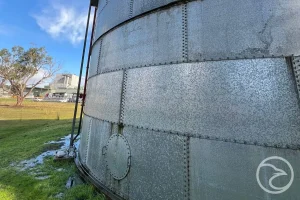
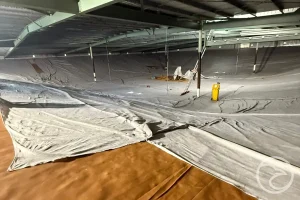
Fire tanks play an important role in many fire protection systems. They store water that may be needed when a fire protection system operates. Their condition can directly affect the reliability of the available water supply.
However, a fire tank cannot simply be installed and then ignored. Corrosion, sediment, damaged coatings, leaks, ageing components, and structural deterioration can develop over time.
Fire tank maintenance helps identify and manage these issues before they become more serious. Maintenance combines routine checks, inspections, cleaning, condition monitoring, and corrective work when required.
It also creates a documented history of the tank’s condition. This guide explains what fire tank maintenance is and why it matters. It also covers maintenance stages, inspections, cleaning, standards, tank types, and common recommendations.
What is Fire Tank Maintenance?
Fire tank maintenance is the ongoing process of keeping a fire water tank in suitable operating condition. It involves checking the tank, identifying deterioration, and addressing maintenance needs when required.
Maintenance can cover both the tank structure and its associated components. The exact work depends on the tank type, condition, age, construction, and fire protection application.
A typical maintenance program may involve:
- External condition checks
- Internal tank inspections
- Corrosion monitoring
- Leak detection
- Sediment assessment
- Tank cleaning
- Liner and coating checks
- Roof and wall assessments
- Inspection of fittings and connections
- Maintenance documentation
- Repair recommendations
- Follow-up inspections
Maintenance should therefore be viewed as an ongoing process. It is not simply a single inspection or cleaning visit. Professional fire tank maintenance can address identified defects and support the ongoing condition of fire water storage tanks.
What is the Purpose of Fire Tank Maintenance?
The main purpose is to preserve the condition and reliability of the fire water storage tank. Fire tanks may remain full for long periods without obvious signs of problems.
This can make deterioration difficult to notice during normal facility operations. Maintenance provides opportunities to identify changes in the tank’s condition. It can also help determine whether corrective work is required.
A structured maintenance program can support:
- Reliable fire water storage
- Early defect identification
- Corrosion management
- Leak prevention
- Structural condition monitoring
- Cleaner tank conditions
- Better maintenance planning
- Compliance activities
- Accurate maintenance records
- Longer-term asset management
Maintenance is especially important because some defects can develop gradually. A small coating defect, for example, may expose steel to ongoing corrosion.
Sediment can also accumulate slowly at the bottom of a tank. Without appropriate checks, these changes may remain unnoticed.
Why is Fire Tank Maintenance Important?
A fire tank is different from an ordinary water storage tank. It forms part of a system intended to support fire protection. Its condition therefore needs to be considered within the wider fire protection strategy.
Poor tank condition can create several problems. Leaks may reduce the available stored water. Corrosion may affect structural components or fittings.
Sediment may indicate that cleaning or further investigation is required. Damaged liners can expose underlying tank surfaces. Maintenance helps facilities identify these conditions earlier.
Early identification can make future maintenance easier to plan. It can also reduce the risk of unexpected repairs becoming necessary.
Another important benefit is documentation. Regular records create a history of the tank’s condition.
That history helps compare findings between inspections and maintenance visits.
What Does Fire Tank Maintenance Include?
Fire tank maintenance can include several different activities. Not every tank requires every activity during each maintenance cycle.
The work should reflect the condition and requirements of the individual tank.
External Condition Assessment
External checks examine visible parts of the tank.
The assessment may include:
- Tank walls
- Roof areas
- External supports
- Connections
- Access points
- Ladders
- Fittings
- Overflow components
- Visible pipework
- External coatings
Technicians look for visible deterioration or unusual changes. Rust staining, damaged coatings, deformation, and moisture can require further investigation.
Internal Condition Assessment
Internal surfaces may also require assessment. The method used depends on the tank and maintenance requirements.
Areas of interest can include:
- Internal walls
- Floor surfaces
- Roof structure
- Structural supports
- Liners
- Protective coatings
- Joints
- Fasteners
- Internal fittings
The assessment helps establish the current condition of these components.
Corrosion Monitoring
Corrosion is an important maintenance consideration for many steel fire tanks. It can begin where protective surfaces become damaged or deteriorated.
Common areas requiring attention can include:
- Panel connections
- Bolted areas
- Floor sections
- Roof structures
- Fittings
- Welded areas
- Coating defects
- Areas exposed to persistent moisture
Finding corrosion does not automatically mean a tank requires replacement. The location, extent, and severity must first be assessed.
Appropriate recommendations can then be developed.
Leak Checks
Leaks can occur around joints, fittings, connections, or damaged tank surfaces. Some leaks are immediately visible.
Others may first appear as staining, moisture, or corrosion around specific areas. Maintenance checks can identify signs that require closer assessment.
The source should be established before deciding on corrective action.
Liner and Coating Checks
Many tanks rely on liners or protective coatings. These systems help separate stored water from structural tank surfaces.
Their condition should be monitored over time.
Maintenance may identify:
- Surface deterioration
- Peeling coatings
- Cracking
- Localised damage
- Blistering
- Separation
- Exposed substrate
- Damaged liner sections
The findings help determine whether monitoring, repair, or replacement should be considered.
How Does Fire Tank Maintenance Work?
A good maintenance process follows a structured sequence. The exact process can change depending on tank design and site requirements.
However, most maintenance programs follow several general stages.
1. Review Existing Tank Information
The process can begin with a review of available records. These may include previous inspection reports, repair records, photographs, and maintenance recommendations.
Historical information provides useful context. It can show whether previously identified defects have changed.
2. Assess the Tank and Site
The tank and surrounding area are then considered. Access, tank configuration, safety requirements, and visible conditions can influence the maintenance approach.
The required inspection method can also be confirmed at this stage.
3. Inspect Relevant Components
The required tank components are assessed. This may involve external checks, internal inspections, or specialised inspection methods.
The objective is to collect reliable information about current conditions.
4. Identify Defects and Deterioration
Observed issues are documented. Their location, extent, and potential significance should be recorded clearly.
Photographs may also form part of the maintenance record.
5. Complete Required Maintenance Activities
Some maintenance work can be completed during the maintenance process. Other findings may require separate repair or cleaning work.
The appropriate response depends on the identified condition.
6. Document the Findings
Maintenance findings should be recorded. Good documentation allows facility managers to understand the current condition of the asset.
It also provides a reference for future assessments.
7. Develop Recommendations
The final stage involves deciding what should happen next. Recommendations may include immediate work, future repairs, cleaning, monitoring, or another inspection.
Not every finding requires urgent intervention. Priority should depend on the nature and severity of the issue.
What Can Fire Tank Maintenance Detect?
One of the main functions of maintenance is identifying deterioration before it progresses further. The exact findings differ between tanks.
Common issues can include:
- Internal corrosion
- External corrosion
- Leaking joints
- Damaged seals
- Coating deterioration
- Liner damage
- Sediment accumulation
- Debris
- Damaged fittings
- Roof deterioration
- Structural changes
- Water staining
- Moisture around connections
- Damaged access components
- Ageing tank components
Maintenance can also confirm that previously identified issues remain stable. This is useful when a defect is being monitored instead of immediately repaired.
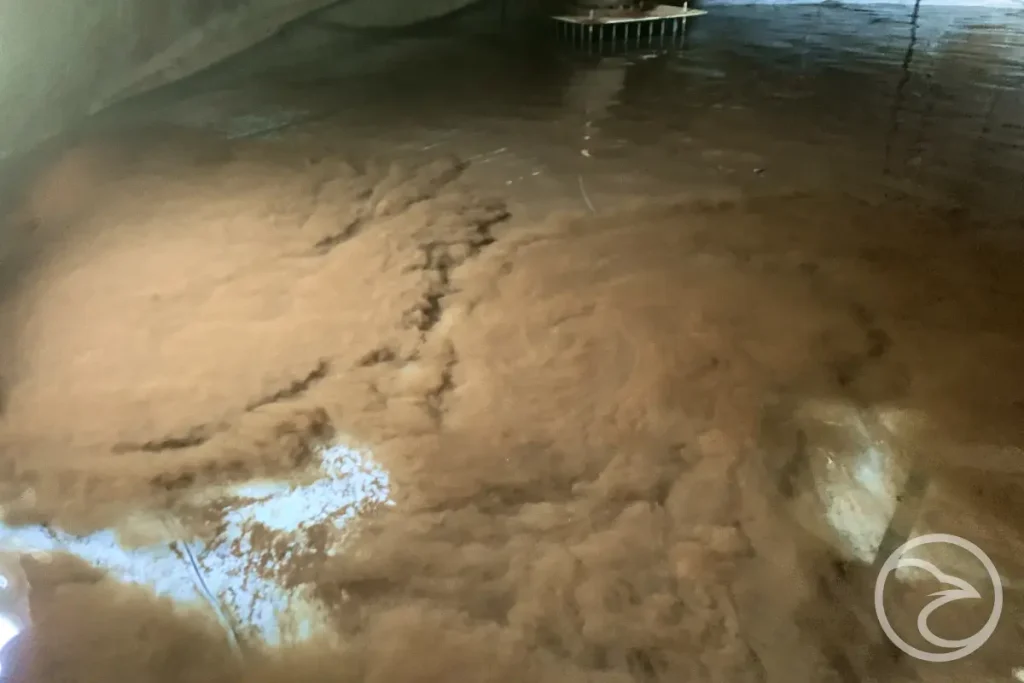
Where sediment has accumulated, fire tank cleaning can restore cleaner internal conditions and support ongoing tank maintenance.
What Parts of a Fire Tank are Checked?
Fire tanks contain multiple components that can require maintenance attention. The tank shell is only one part of the system.
The areas checked may include:
- Tank walls
- Tank floor
- Tank roof
- Structural supports
- Internal columns
- Panel joints
- Bolts and fasteners
- Seals
- Liners
- Coatings
- Inlet connections
- Outlet connections
- Overflow arrangements
- Drain connections
- Access hatches
- Ladders
- Associated fittings
Not every component requires the same maintenance approach. Materials also deteriorate in different ways.
Steel surfaces, coatings, seals, and liners should therefore be assessed according to their specific condition.
Fire Tank Maintenance and Fire Tank Inspections
Fire tank maintenance and fire tank inspection are closely connected. However, they are not exactly the same process. An inspection focuses on assessing and documenting the tank’s condition.
Maintenance is the broader process of managing that condition over time. An inspection may identify corrosion, sediment, coating damage, or another defect. That finding can then create a maintenance requirement.
For example, an inspection may lead to recommendations for:
- Cleaning
- Corrosion treatment
- Coating repair
- Liner repair
- Seal replacement
- Further investigation
- Structural assessment
- Ongoing monitoring
Inspection is therefore an important part of a wider maintenance strategy. Maintenance uses inspection findings to guide future actions.
This distinction is important when developing a long-term fire tank management program. Where tank condition is uncertain, a fire tank inspection can identify defects and provide clear recommendations for further maintenance.
Fire Tank Maintenance and Australian Standards
Fire tank maintenance should be considered alongside relevant Australian fire protection requirements. One important reference is AS 1851, Routine service of fire protection systems and equipment. AS 1851 establishes requirements for routine servicing of fire protection systems and equipment.
Fire water storage forms part of the broader fire protection environment covered by routine servicing practices. However, maintenance requirements can depend on the installed system and applicable standards.
Other requirements may also apply to the tank, system, building, or facility.
These can include:
- System design requirements
- Manufacturer recommendations
- Site maintenance procedures
- Previous inspection recommendations
- Regulatory requirements
- Asset management requirements
Standards should therefore be considered as part of the maintenance framework. They should not be treated as the only reason to maintain a tank.
The physical condition of the tank remains equally important. Learn more about routine servicing obligations and relevant fire protection standards in our AS 1851 Compliance Requirements article.
How Fire Tank Cleaning Fits Into Maintenance
Cleaning is another activity closely connected with fire tank maintenance. Over time, sediment and debris can accumulate inside water storage tanks. The amount depends on several factors.
These can include water source, tank condition, environment, and operating history. Cleaning may be recommended when deposits become significant. It can also be required before certain repairs or detailed assessments.
A cleaning process can help remove:
- Sediment
- Loose debris
- Accumulated deposits
- Material associated with internal deterioration
Cleaning also exposes surfaces that may otherwise be hidden. This can make some defects easier to identify. However, cleaning should not be confused with complete fire tank maintenance.
A clean tank can still have corrosion, coating defects, damaged fittings, or structural concerns. Cleaning is one component within the wider maintenance process.
For more detail on cleaning frequency and condition-based triggers, see when should fire water tanks be cleaned.
When Should Fire Tank Maintenance be Carried Out?
Fire tank maintenance should not depend only on visible failure. Preventative maintenance aims to identify problems before they reach that stage.
The appropriate timing depends on the tank and applicable servicing requirements. Maintenance may become particularly important in several situations.
During Scheduled Servicing
Routine servicing provides regular opportunities to monitor tank condition. Findings can be compared with earlier records.
This helps identify gradual deterioration.
After an Inspection Identifies Defects
Inspection findings often create maintenance actions. The required response depends on the defect.
Minor deterioration may only require monitoring. More significant issues may require corrective work.
When Leaks Appear
Visible water loss should be investigated. The cause may involve a fitting, joint, seal, liner, or tank component.
Repair decisions should be based on the identified source.
When Corrosion Is Identified
Corrosion should be assessed rather than ignored. Early intervention can help prevent localised deterioration from progressing.
The appropriate treatment depends on severity and location.
When Sediment Accumulates
Significant sediment may indicate that cleaning should be considered. The underlying cause may also require investigation.
After Repairs or Modifications
Maintenance checks can be appropriate following significant work. They help confirm the condition of repaired or modified areas.
Preventative vs Reactive Fire Tank Maintenance
Fire tank maintenance can generally be approached in two ways. The first is preventative maintenance. The second is reactive maintenance. Preventative maintenance is planned before a serious problem occurs.
It relies on inspections, routine servicing, condition monitoring, and scheduled work. Its purpose is to identify deterioration early. Reactive maintenance begins after a problem becomes obvious.
For example, a facility may respond after discovering a leak or failed component. Reactive work will sometimes be unavoidable. However, relying entirely on reactive maintenance creates uncertainty.
Problems can develop between visible failures. A preventative approach provides more information about the condition of the tank.
It also gives facility managers more time to plan corrective work.
What Types of Fire Tanks Require Maintenance?
All fire tanks require some level of condition monitoring and maintenance. However, maintenance requirements vary between materials and construction methods.
Steel Fire Tanks
Steel tanks require attention to corrosion and protective systems. Coatings, joints, fasteners, and structural areas may require monitoring.
Hot-Dipped Galvanised Tanks
Galvanised tanks use a zinc coating to protect steel components. The condition of galvanised surfaces should still be assessed over time.
Damage, corrosion, and localised deterioration can require attention.
Panel Tanks
Panel tanks contain numerous connections and joints. These areas can become important during inspections and maintenance.
Seals, bolts, panels, and connections may require assessment.
Lined Tanks
A liner creates a barrier between stored water and other tank components. Liner condition is therefore an important maintenance consideration.
Damage should be assessed to determine the appropriate response.
Concrete Fire Tanks
Concrete tanks have different deterioration mechanisms from steel tanks. Cracking, leakage, joints, and internal surfaces may require assessment.
The maintenance approach should match the construction material.
Fire Tank Maintenance for Different Applications
Fire water storage tanks are used across many types of facilities. The maintenance principle remains similar.
The tank should remain suitable for its intended fire protection function.
Applications can include:
- Commercial buildings
- Warehouses
- Distribution centres
- Manufacturing facilities
- Industrial sites
- Shopping centres
- Large residential developments
- Infrastructure facilities
- Data centres
- Logistics facilities
- Institutional buildings
Operating conditions can differ significantly between these environments. An industrial tank may face different environmental exposure from a tank inside a protected facility. Maintenance planning should account for these differences.
Access requirements can also vary between sites.
Factors that Affect Fire Tank Maintenance Requirements
There is no single maintenance approach suitable for every fire tank. Several factors influence what work may be required.
Tank Age
Older tanks may require closer monitoring of ageing materials and components. Age alone does not determine condition.
However, it can influence maintenance planning.
Construction Material
Steel, concrete, galvanised components, coatings, and liners behave differently over time. Maintenance methods should reflect those differences.
Environmental Conditions
Exposure to moisture, weather, chemicals, or aggressive environments can affect deterioration. External conditions should therefore be considered.
Water Conditions
Stored water can influence internal tank conditions. Sediment levels and water characteristics may affect maintenance requirements.
Previous Defects
Historical defects are important. Previously repaired or monitored areas may require particular attention during future maintenance.
Maintenance History
A documented maintenance history helps identify trends. Long gaps between assessments can make deterioration harder to track.
What Happens After Fire Tank Maintenance?
Maintenance does not necessarily end when the tank assessment is complete. The findings should guide the next stage of asset management. A maintenance report may identify several different actions.
Some may be immediate. Others may be suitable for planned future work.
Possible recommendations include:
- Continue routine monitoring
- Clean internal tank surfaces
- Repair damaged coatings
- Address localised corrosion
- Repair or replace damaged liners
- Investigate leaks
- Replace deteriorated seals
- Repair fittings
- Complete structural assessment
- Monitor identified defects
- Conduct another inspection
- Schedule future maintenance
Recommendations should be based on actual findings. Unnecessary work should not be treated as routine simply because a tank has reached a certain age.
Condition should remain a major factor in maintenance decisions.
How Maintenance Recommendations Should be Prioritised
Not every maintenance finding has the same importance. A useful maintenance program separates issues by priority.
Immediate Actions
Some defects can require prompt attention. These may involve significant leakage or conditions affecting tank reliability.
Planned Corrective Work
Other issues can be addressed during scheduled maintenance. This allows facilities to organise access, contractors, and operational requirements.
Preventative Actions
Preventative recommendations address deterioration before major repairs become necessary. Examples can include local coating work or targeted cleaning.
Monitoring
Some conditions may not require immediate repair. Instead, their progression can be monitored during future inspections. Good records are essential for this approach.
They allow changes to be identified over time.
Why Fire Tank Maintenance Documentation Matters
Maintenance records provide more than evidence that work occurred. They create a condition history for the tank.
Useful records may include:
- Inspection dates
- Maintenance dates
- Photographs
- Identified defects
- Repair history
- Cleaning history
- Corrosion observations
- Liner condition
- Coating condition
- Recommendations
- Follow-up actions
This information becomes increasingly valuable as the tank ages. A future inspection can be compared with previous findings. Facility managers can then see whether a defect is stable or progressing.
Documentation also supports maintenance planning. It helps prevent important recommendations from being forgotten between service periods.
Can Fire Tank Maintenance Extend Tank Service Life?
Effective maintenance can help protect a fire tank from avoidable deterioration. However, maintenance cannot prevent all ageing. Every tank and component has a finite service life.
The goal is to manage deterioration effectively. Early identification of corrosion can allow targeted corrective work.
Maintaining protective coatings can reduce exposure of underlying surfaces. Cleaning can remove accumulated material when required. Repairing leaks can prevent surrounding areas from remaining continuously wet.
These actions can help maintain the asset in better condition. They can also provide better information for future repair or replacement decisions.
Common Fire Tank Maintenance Mistakes
Some maintenance problems result from the tank receiving attention only after something fails. Other problems come from incomplete maintenance practices.
Common mistakes include:
- Waiting for visible leaks
- Ignoring minor corrosion
- Failing to document defects
- Treating cleaning as complete maintenance
- Not reviewing previous reports
- Ignoring liner deterioration
- Delaying recommended repairs
- Failing to monitor existing defects
- Using the same approach for every tank
- Keeping incomplete maintenance records
Another mistake is focusing only on visible external surfaces. Important deterioration can also occur internally.
A balanced maintenance strategy considers the complete tank condition.
Building a Long-Term Fire Tank Maintenance Plan
Fire tank maintenance works best as an ongoing cycle. It should connect inspections, servicing, cleaning, repairs, and future monitoring.
A basic maintenance cycle can include:
- Review existing records.
- Inspect the tank.
- Document its condition.
- Identify defects.
- Prioritise findings.
- Complete required maintenance.
- Record completed work.
- Monitor unresolved issues.
- Schedule future servicing.
This approach creates continuity between maintenance periods. It also prevents each inspection from becoming an isolated event. The maintenance plan should evolve as the tank ages.
New findings can change priorities. Completed repairs should also be added to the tank history.
Fire Tank Maintenance as Part of Long-Term Asset Management
Fire tank maintenance is more than responding to visible defects. It is an ongoing process of understanding and managing tank condition. Inspection provides the information needed to make maintenance decisions.
Cleaning can address sediment and expose surfaces when required. Repairs can address identified deterioration. Documentation connects each stage and creates a reliable maintenance history.
Australian standards, including AS 1851, also form part of the broader maintenance framework. The most effective approach is therefore preventative and condition-based. Regular assessment can identify changes before they become larger problems.
Clear recommendations then help facility managers decide what needs immediate attention. Other findings can be monitored or included in future planned maintenance.
This approach supports reliable fire water storage throughout the tank’s operational life.