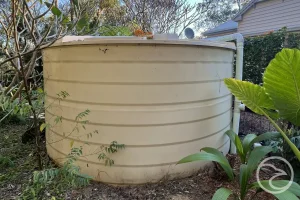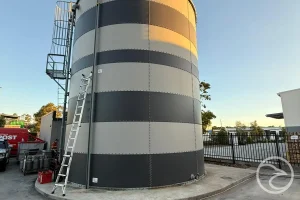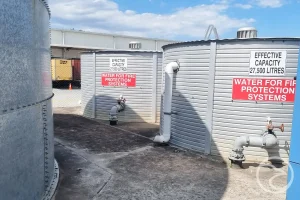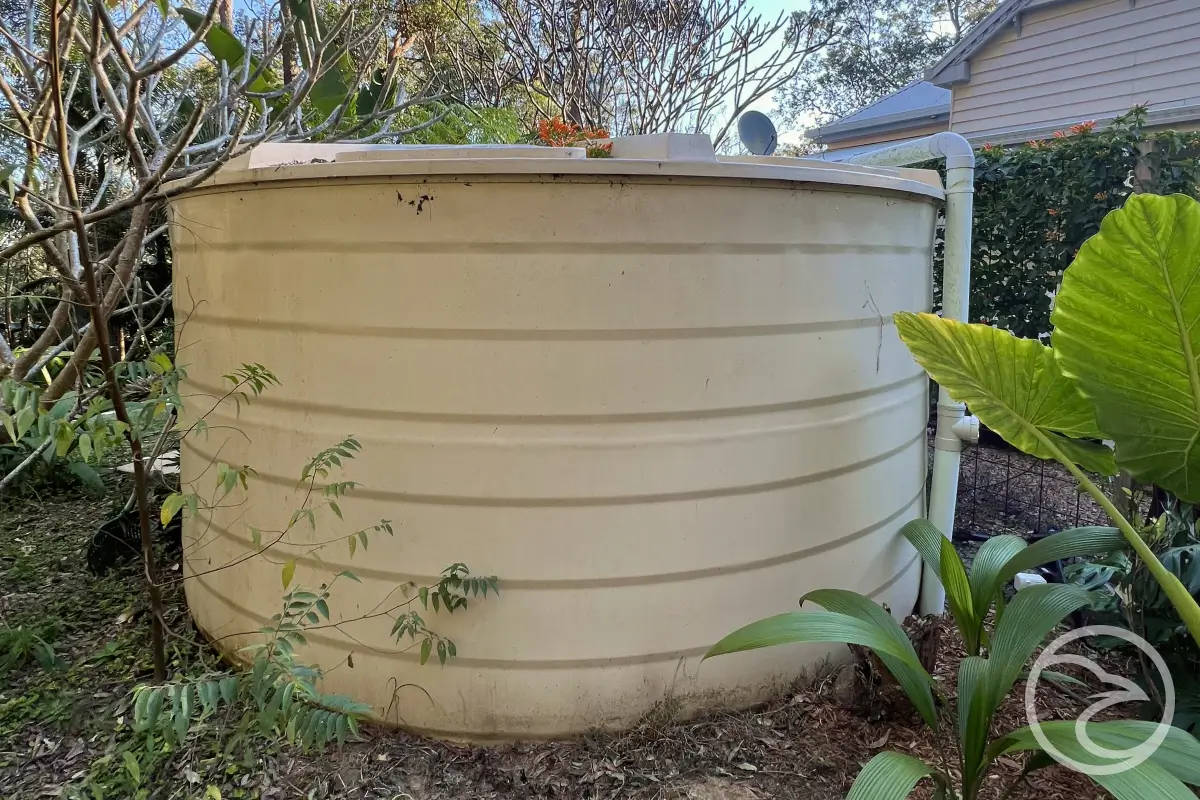
Stormwater detention systems play an important role in modern urban infrastructure by helping manage excess rainwater and reduce the risk of flooding. As cities expand and natural ground surfaces are replaced with roads, buildings, and other impermeable materials, rainwater can no longer absorb naturally into the soil. Detention systems help regulate this runoff, protecting infrastructure, waterways, and surrounding communities.
Understanding Stormwater Detention
Stormwater detention refers to the temporary storage of rainwater runoff with controlled release over time. Unlike retention systems, which permanently hold water for infiltration or reuse, detention systems are designed to slow down the flow of stormwater before gradually releasing it into drainage networks or natural waterways.
This controlled release helps reduce pressure on drainage systems during heavy rainfall events. Without detention infrastructure, sudden surges of water can overwhelm urban drainage, increasing flood risks and environmental damage.
Key Components of Detention Systems
Stormwater detention systems typically include several essential components working together. Storage structures such as underground tanks, basins, or engineered chambers temporarily hold excess water. Flow control devices regulate the release rate to prevent sudden downstream surges.
Inlet structures guide stormwater into the system, often incorporating debris filters or sediment traps to reduce contamination. Outlet control mechanisms ensure water is discharged safely and gradually.
Together, these elements form an integrated solution for managing urban runoff effectively.
Role in Flood Risk Reduction
One of the primary purposes of stormwater detention infrastructure is flood mitigation. Heavy rainfall events can generate large volumes of runoff quickly, especially in densely developed areas. By temporarily storing this water, detention systems reduce peak flow rates entering drainage networks.
This delay allows downstream infrastructure to handle water more safely, minimizing localized flooding, erosion, and damage to roads, buildings, and utilities.
Many urban planning strategies incorporate broader stormwater management infrastructure approaches to maintain resilience against increasingly variable weather patterns.
Environmental Benefits
Beyond flood prevention, stormwater detention systems also support environmental protection. Slowing water movement allows sediment particles to settle before discharge, reducing pollution entering rivers, lakes, or coastal environments.
Controlled runoff can also help protect aquatic ecosystems by preventing sudden changes in water flow, temperature, or chemical composition that may disrupt natural habitats.
Additionally, effective stormwater management contributes to sustainable urban development and regulatory compliance in many regions.
Maintenance and Performance Considerations
While detention systems are engineered for durability, ongoing monitoring and maintenance are essential for reliable performance. Debris accumulation, sediment buildup, structural wear, or outlet blockages can affect efficiency over time.
Preventive maintenance typically focuses on ensuring clear flow pathways, structural stability, and proper functioning of control devices. Regular observation helps identify issues early and supports long-term infrastructure reliability.
Long-Term Infrastructure Perspective
Stormwater detention systems are increasingly important as urban development continues and climate patterns evolve. Designing resilient infrastructure requires understanding not only how these systems function, but also how environmental conditions, operational practices, and infrastructure planning interact.
A comprehensive approach to stormwater management helps cities reduce flood risk, protect ecosystems, and maintain safe, reliable urban infrastructure. By understanding how stormwater detention systems work, planners and facility operators can make informed decisions that support both environmental sustainability and operational stability.