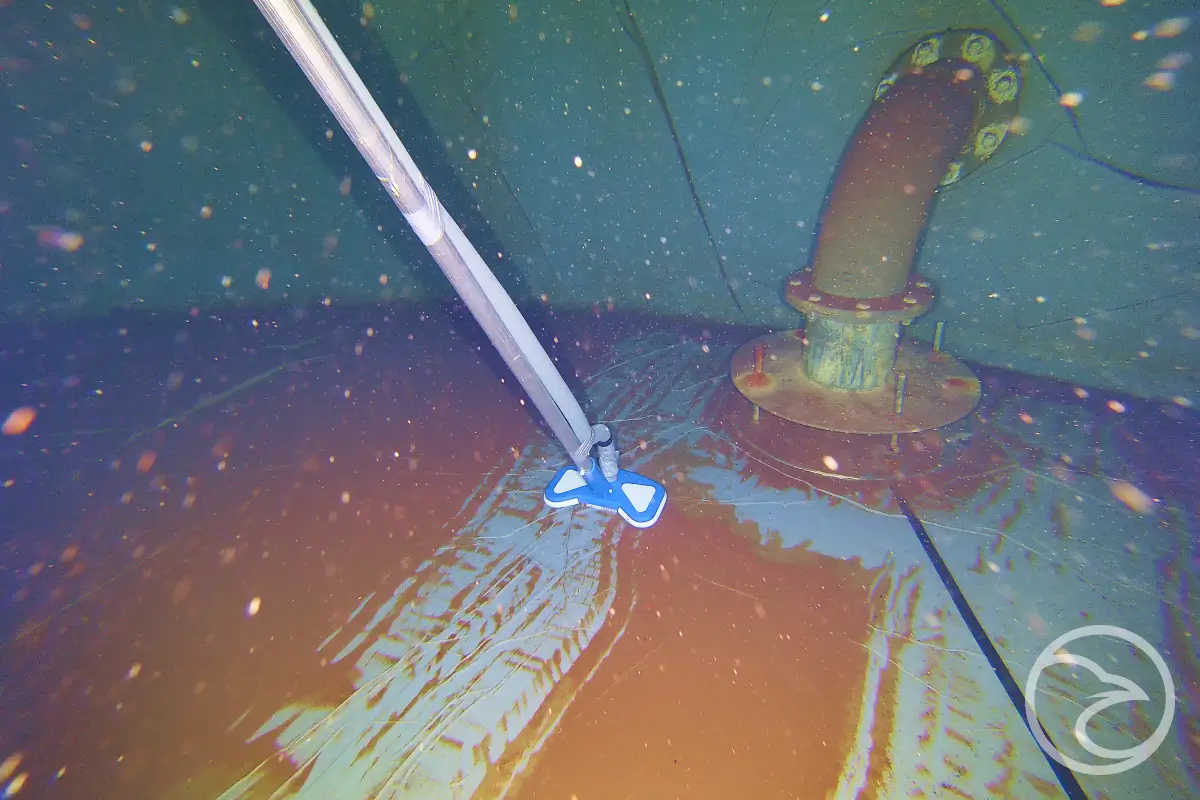
Fire sprinkler systems are essential for workplace safety, as there are hundreds of fire-related incidents in Australia every year. Fire tank liners must be able to store water for long periods of time without being used, so that they are ready when a fire does occur.
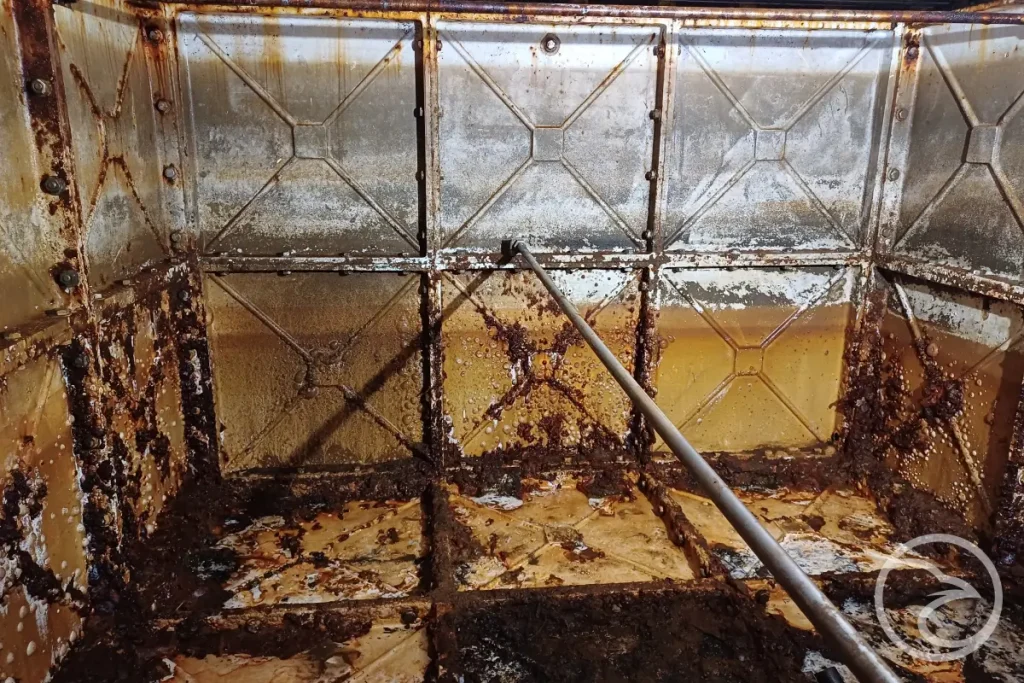
It is important to keep your potable water and fire tanks clean and corrosion-free. Stagnant water can breed bacteria, which can damage the tank and harm human health.
Australian Fire Tanks by Raven Tanks Australia offers state-of-the-art commercial tank cleaning services to keep your water storage units clean and safe. We have experience cleaning all types of tanks, and we understand that there is no one-size-fits-all solution.
We recommend that you have your tank cleaned regularly by experts in the field. The quality of your tank’s functionality depends on its entire ecosystem, so it is important to keep it clean.
Water tanks need to be cleaned regularly to prevent them from falling apart too soon. Both the inside and outside of the tank, as well as all of the parts, such as access platforms, should be cleaned thoroughly and professionally on a regular basis.
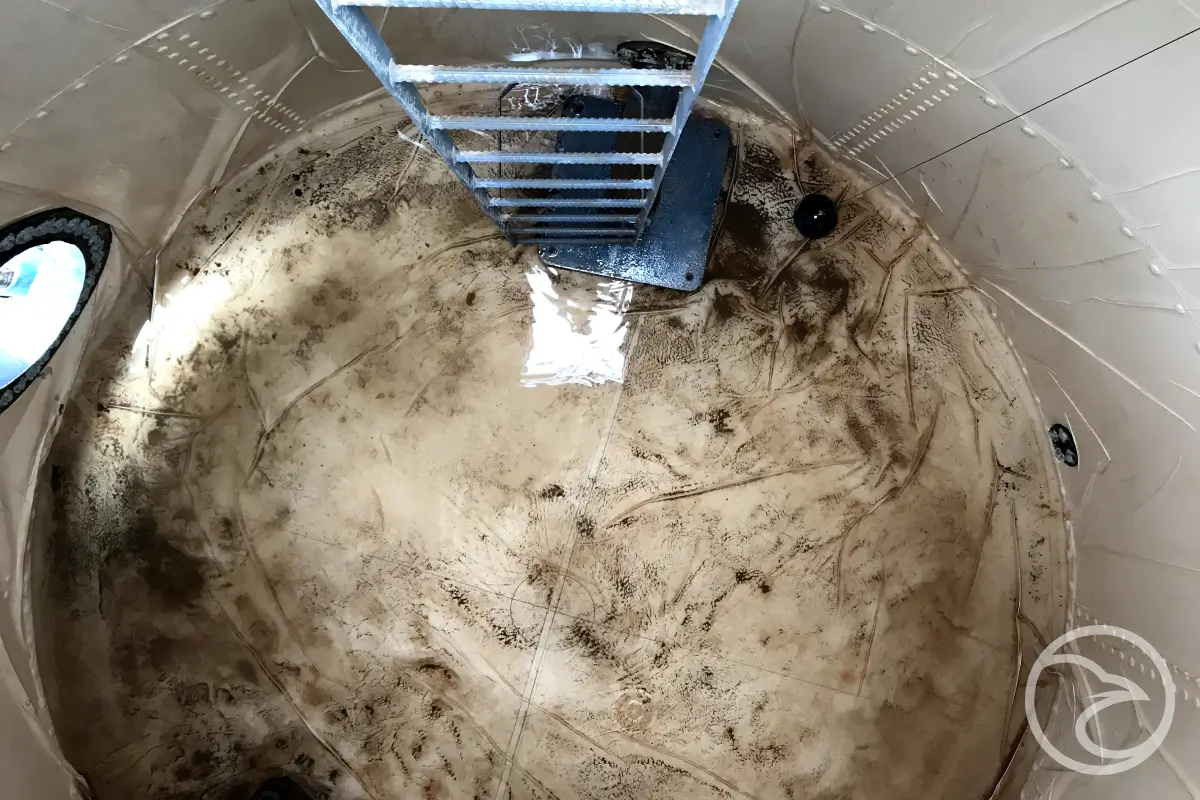
If your tank has not been cleaned in several years, we recommend our sludge removal cleaning services. These services are designed to remove sludge buildup from the tank.
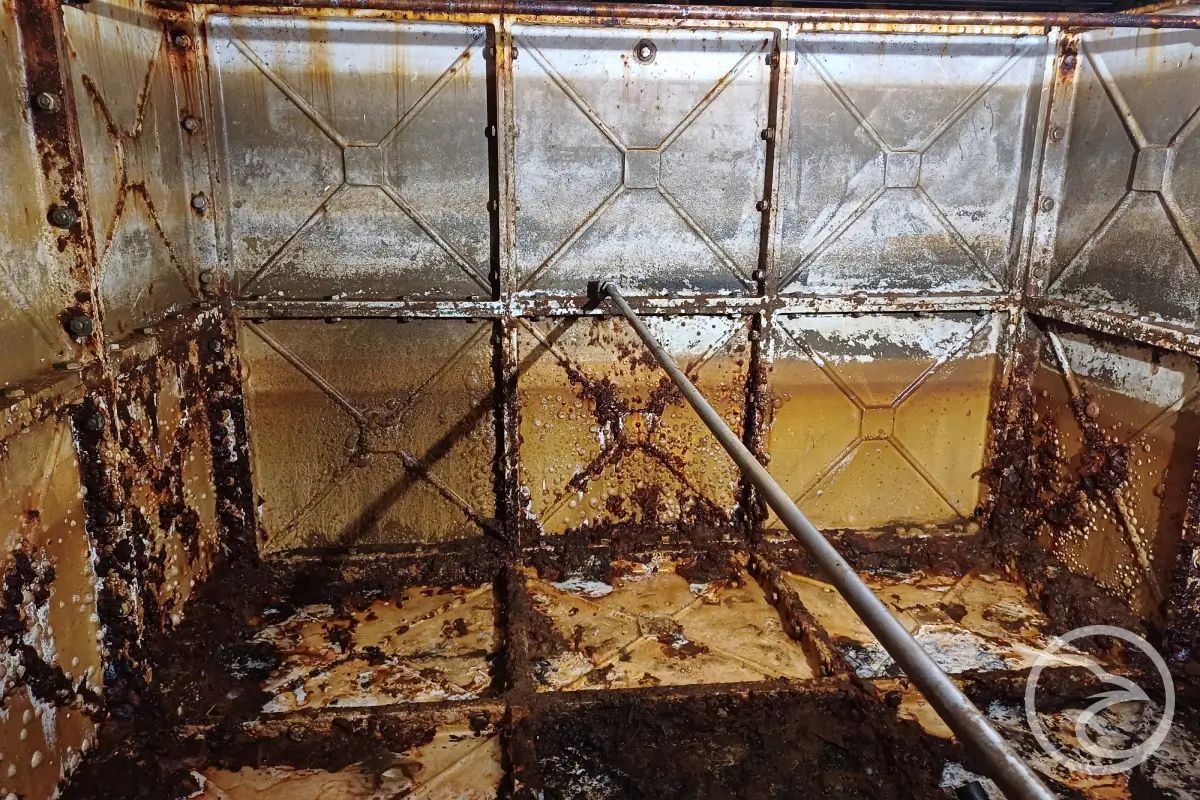
A number of problems can develop due to a lack of a professional routine cleaning schedule, including:

Most of the time, scrubbing and washing your tank is enough to clean it. But if your tank is old, damaged, or not maintained well, you may need to use stronger cleaning methods.
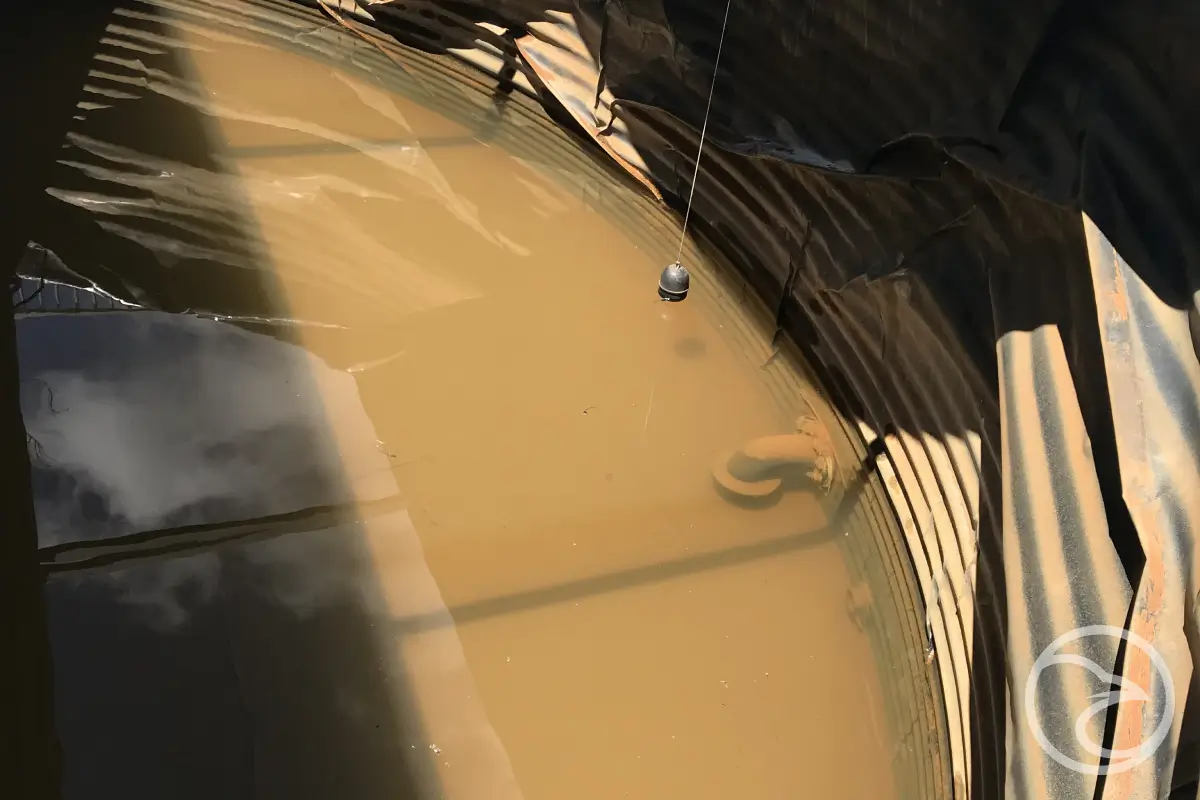
If your tank smells bad or the water is discolored, there is probably a big problem. You need to clean the tank right away and have it inspected.
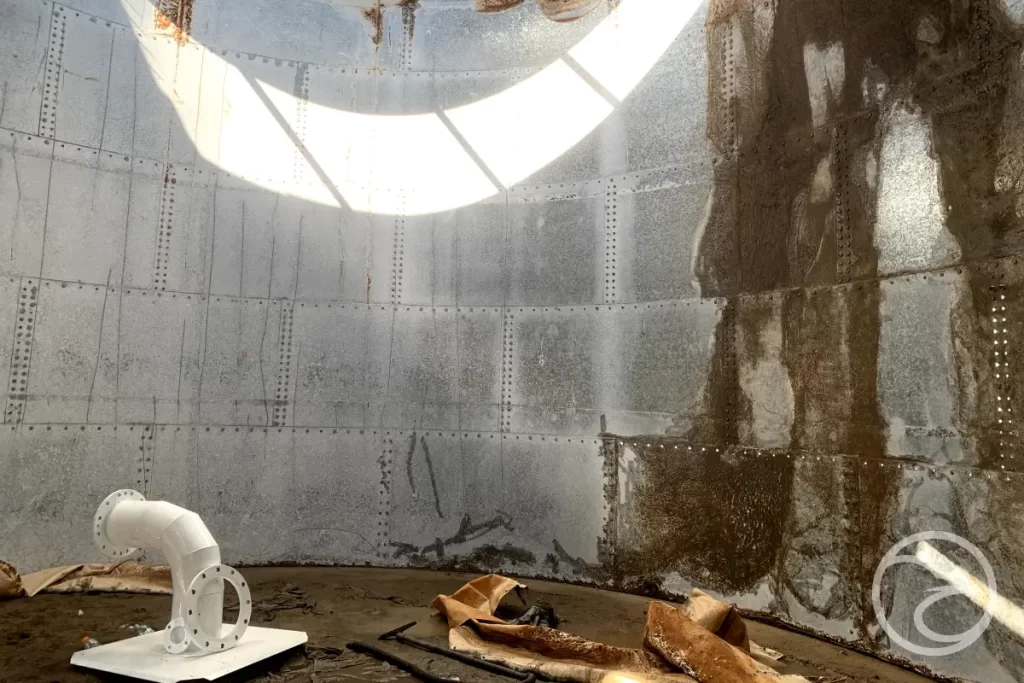
Even though the signs of a dirty water tank are clear, the extent of the damage and the cause of the problem are the most important things to know.
At the very least, the tank will need to be cleaned and drained and refilled afterwards. Once we know the full extent of the problem, we can give you a more accurate quote and timeline for the job.
We offer the following commercial tank sanitation solutions:
Australian Fire Tanks by Raven Tanks Australia is a trusted provider of commercial potable and fire water tank cleaning and installation services. We have been in business since 2003 and have a proven track record of success, even in the most difficult conditions. We offer a 20-year/month service guarantee on all cleaning work and an unbeatable warranty on Raven Tanks installation projects.
Our premier cleaning standards ensure that your drinking water is of the highest quality and that your fire water tank is reliable and ready to protect your property in the event of a fire.
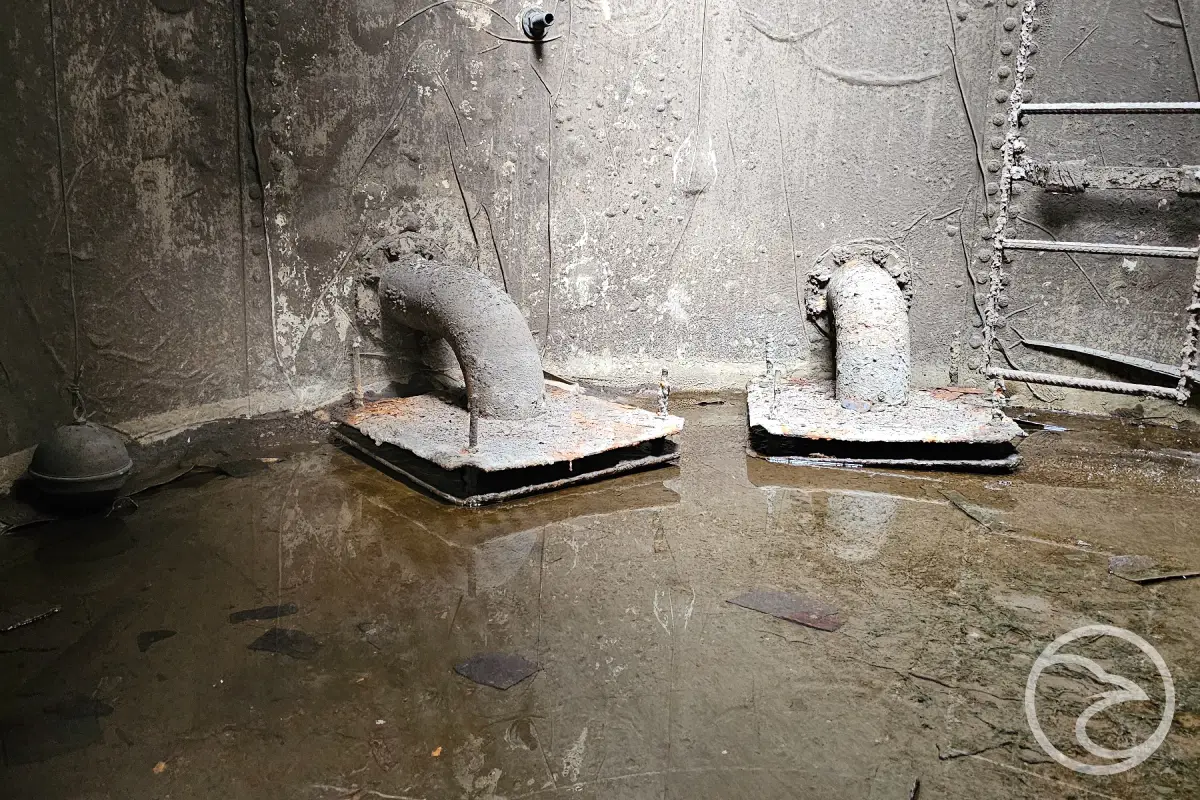
Clogged pipes, hoses, or valves can be dangerous, especially in a fire water tank. Tank Inspections Sydney makes sure that everything in your fire water tank is working properly before we leave.
Robotic equipment has revolutionized commercial water tank cleaning and maintenance around the world. Remotely operated vehicles (ROVs) can be used to clean and inspect water tanks of all sizes, from small drinking water tanks to large fire suppression systems.
While dive teams and other manned inspections and cleaning services are still very effective, ROVs offer a number of advantages that ultimately benefit customers in the long run.
The benefits of deploying an ROV to conduct commercial tank cleaning include:

Have questions? Here are answers to some of the most common inquiries to help you better understand our services.
Start by draining all the water and removing any debris. Scrub the inside walls with a bleach and water solution, then rinse thoroughly. Disinfect the tank with chlorine, let it sit for a few hours, and rinse again before refilling with clean water.
The most effective method includes inspecting the tank, manually scrubbing or pressure washing the surfaces, disinfecting with a chlorine solution, and rinsing well to ensure no chemical residue is left.
Regular cleaning helps remove harmful bacteria, algae, and sediment buildup. It ensures the water remains safe to drink, improves taste and smell, and keeps your water system in good working condition.
Water tanks should be cleaned every 6 to 12 months. However, more frequent cleaning may be needed if the tank is exposed to leaves, dust, or bird droppings, or if the water becomes discolored or smells bad.