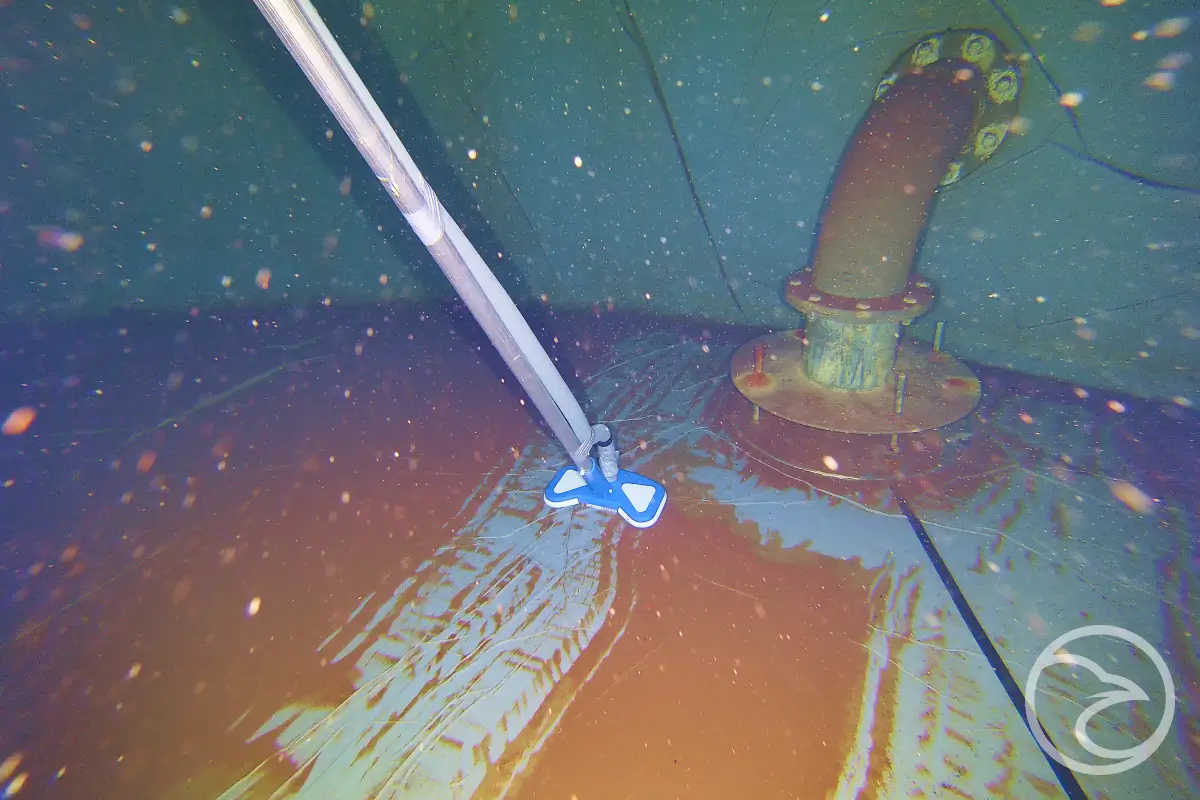
Regular cleaning protects fire tanks from sediment buildup, ensuring consistent water flow and compliance with safety standards.

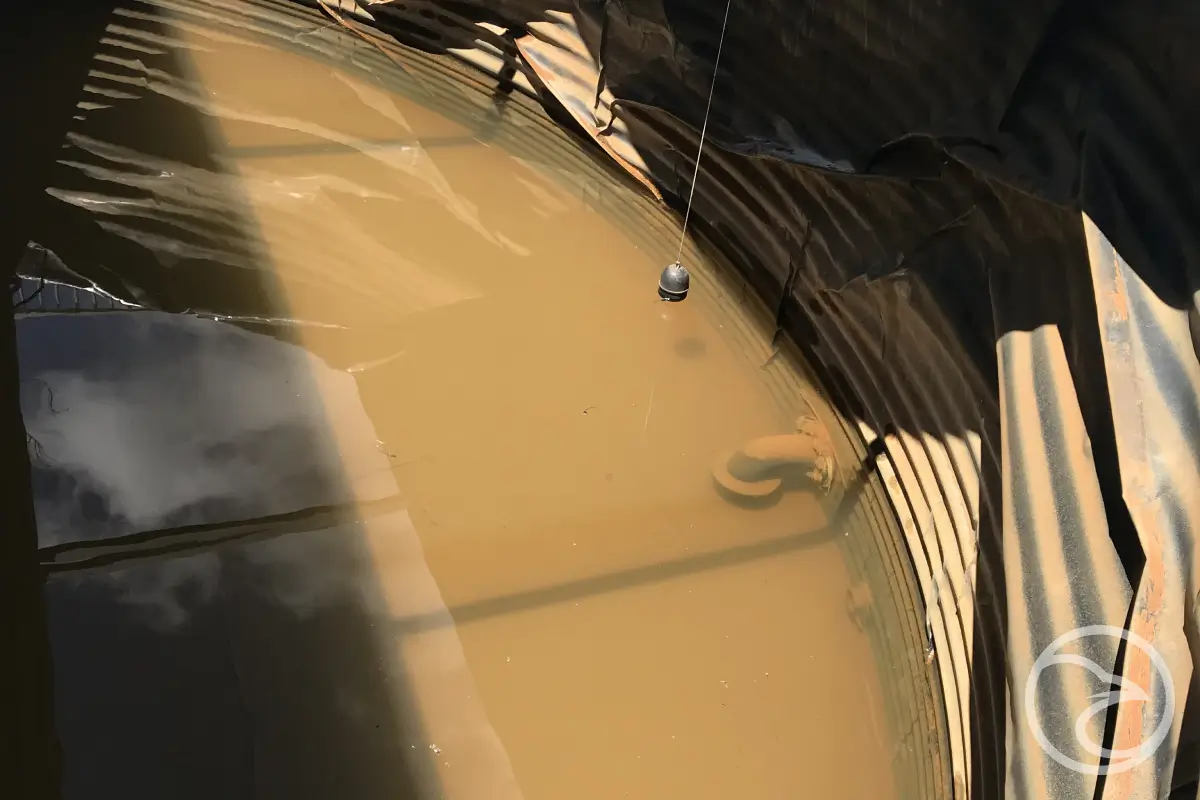
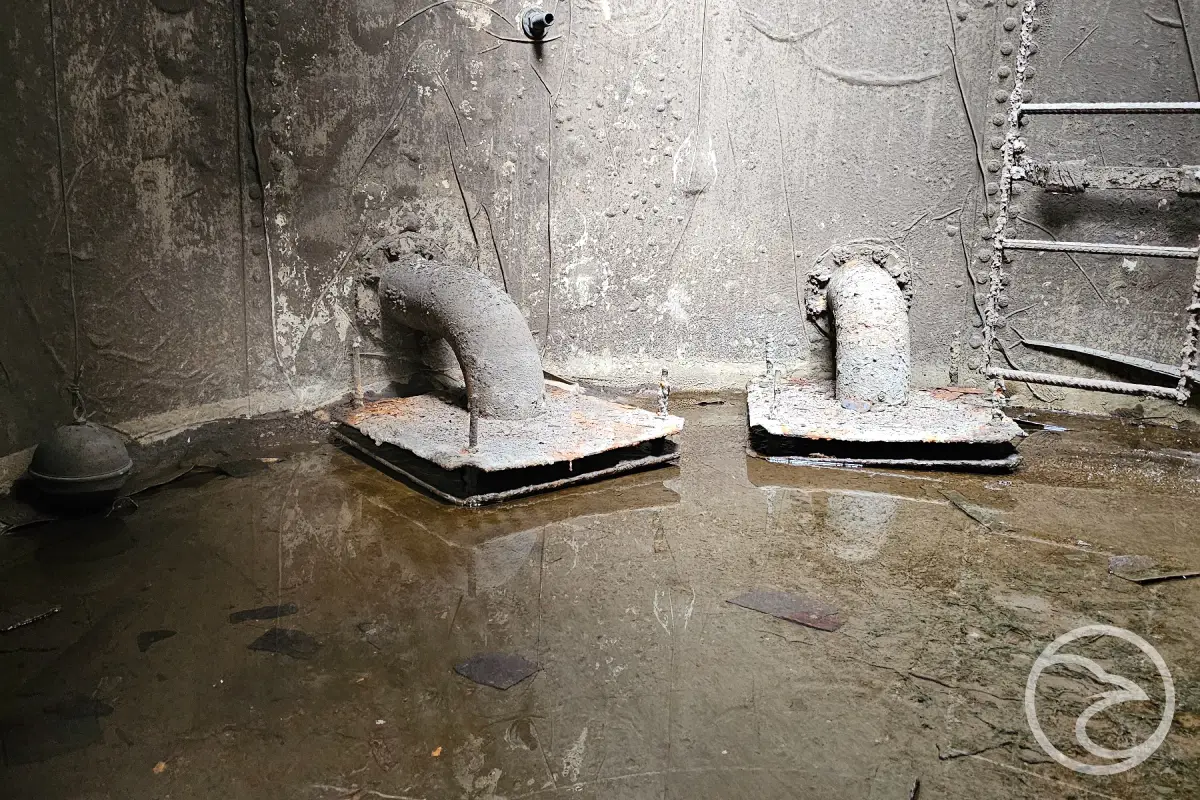
Fire water tanks accumulate sediment, sludge, rust flakes, and other contaminants over time. Without proper cleaning, these deposits can affect water quality, accelerate corrosion, and reduce the overall effectiveness of the fire protection system.
Australian Fire Tanks provides professional internal cleaning solutions designed to keep your tank clean, safe, and ready for emergency use.
Even in sealed tanks, natural buildup occurs due to water movement, environmental factors, and internal surface wear.
Over time, this accumulation can create several risks:
Routine cleaning ensures that the tank interior remains clear of debris and capable of supplying uninterrupted water flow when needed.
Fire tanks typically develop internal deposits caused by environmental exposure and the natural breakdown of materials. Common contaminants include:
Removing these materials restores internal cleanliness and prevents further deterioration.
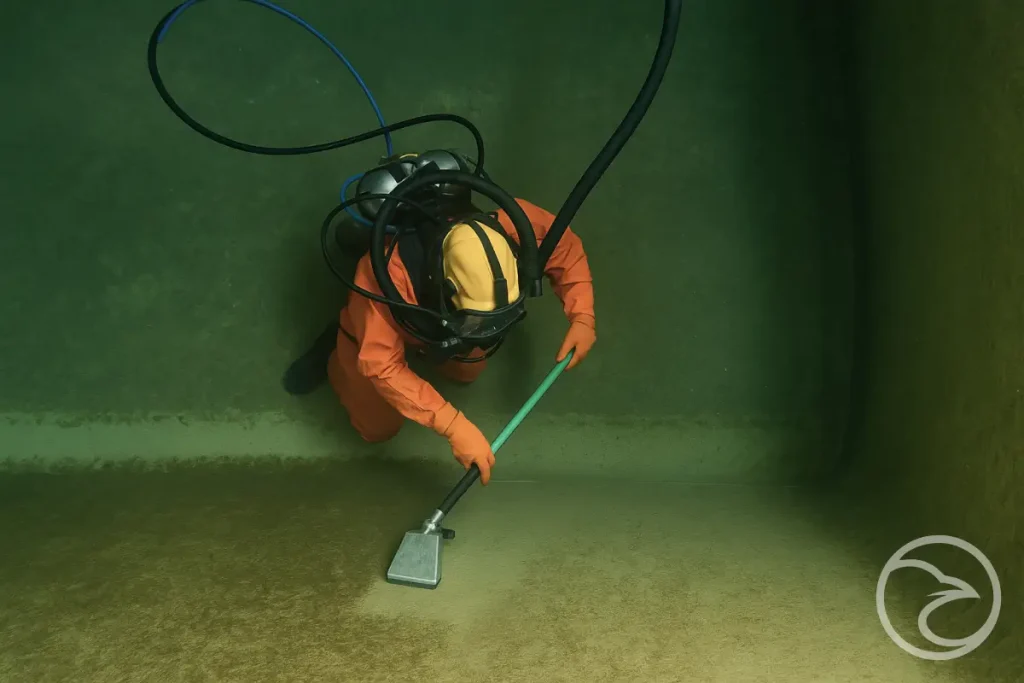
Our cleaning procedures are designed to safely and effectively remove internal buildup while maintaining tank integrity. All work is performed by trained technicians using appropriate safety protocols and specialised equipment.
Internal Condition Review Before Cleaning
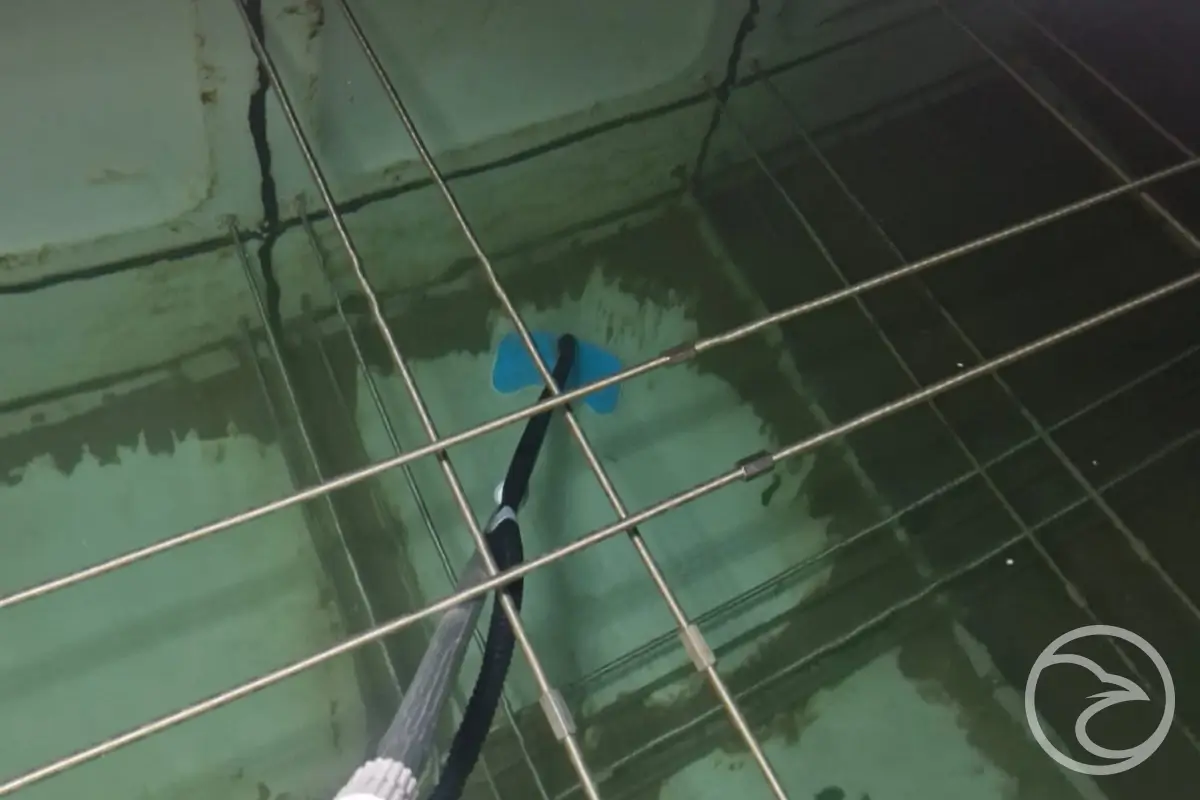
Before cleaning begins, our team performs a visual internal assessment to understand the extent of debris and sediment. This step helps determine the most effective cleaning method and ensures safe planning for confined space entry.
Safe Water Removal
If required, we lower or drain the tank water to provide safe access. This is done using controlled procedures to avoid damage or unnecessary stress on the structure.
Sludge and Sediment Extraction
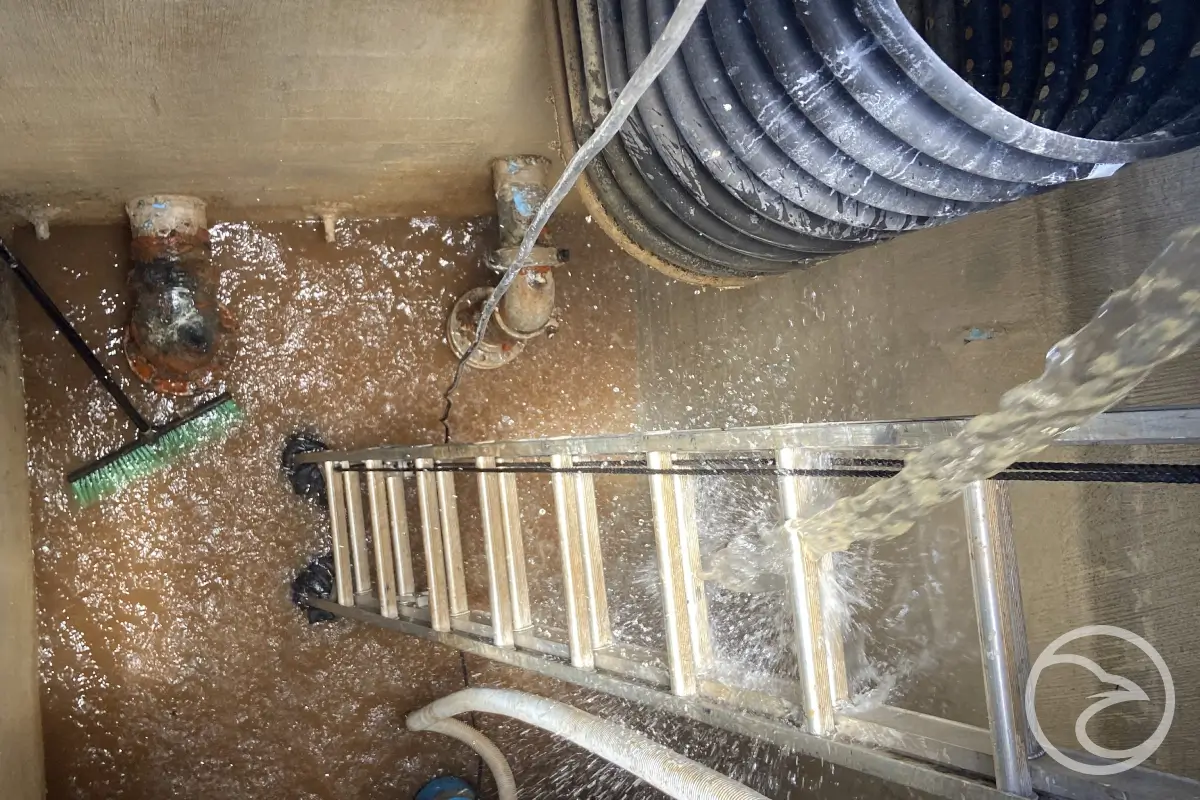
We remove sludge and sediment using manual methods, suction equipment, or vacuum extraction systems. This allows us to clear the tank floor and remove built-up material efficiently.
Internal Wall and Floor Cleaning
Technicians clean internal surfaces, including:
Manual brushing and debris removal ensure that contaminants are fully cleared from the tank interior.
Final Rinse and Cleanliness Check
Once all debris is removed, we perform a final rinse to ensure the tank is left clean and free of residual buildup. A visual cleanliness check confirms that the interior is in proper condition.

Fire tanks require cleaning at different intervals depending on use, environment, and tank material.
Cleaning is recommended:
Regular cleaning prevents excessive buildup and supports stable tank performance.
You may need cleaning services if the tank shows:
Responding early helps avoid damage and ensures continuous functionality.
Because fire tank cleaning often requires confined space entry, our team follows strict safety standards, including:
These procedures ensure that internal tank cleaning is carried out safely and efficiently.
Improve water quality and protect your fire tank with professional cleaning. Contact Australian Fire Tanks to schedule a tank cleaning service.
Have questions? Here are answers to some of the most common inquiries to help you better understand our services.
Fire water tanks should be cleaned at intervals that match their environment and usage. Many facilities benefit from cleaning every 1–5 years, or sooner if sediment, sludge, or water discoloration becomes noticeable.
When full drainage isn’t possible, our team performs controlled partial water lowering and uses safe internal cleaning methods to remove sludge and debris. This approach allows effective cleaning while keeping the tank in partial operation.
Fire tank cleaning follows industry-accepted hygiene, safety, and confined space entry procedures. These guidelines focus on removing sediment, preventing contamination, and ensuring internal surfaces remain clear and structurally sound.
We remove sludge and sediment using manual extraction, vacuum systems, and internal brushing techniques. Cleaning products are used only when appropriate and selected to protect tank surfaces while maintaining water quality.